Health as a key objective of sustainable development

Health is a human right - and a prerequisite for a dignified life. With Sustainable Development Goal 3 - Good Health and Well-being - the global community has committed to ensuring that all people have access to high-quality healthcare by 2030. This is not just a goal in itself, but a key to achieving almost all of the Sustainable Development Goals. Without health, there can be no education, no equal opportunities and no economic development. But this goal is at risk:
- More than half of the world's population has no access to basic health services.
- Millions of people suffer from preventable diseases, especially in disadvantaged and remote regions.
- Crises such as the corona pandemic, conflicts and hunger have set back progress that has been painstakingly achieved.
That is why humedica is doing everything it can to save lives and strengthen health structures worldwide through acute emergency medical aid and long-term projects.
In the 2025 Report, you can read more up-to-date background information on the 17 United Nations goals for a fairer and more sustainable world.
Frequently asked questions about health and humedica
According to the WHO definition, health is more than the absence of disease. It describes the "state of complete physical, mental and social well-being". It therefore includes medical care, healthy nutrition, access to clean water, safe childbirth and mental stability. However, access to this is unevenly distributed around the world. humedica supports disadvantaged people with medical aid, prevention and education.
Health is the basis for education, work and a dignified life. Without it, poverty and inequality persist. humedica is therefore committed to ensuring that people in crisis and poverty-stricken regions also have access to basic healthcare.
- Emergency medical aid following natural disasters and in crisis regions by WHO-certified emergency teams. Our emergency teams treat injured people and people with chronic illnesses and provide life-saving medication.
- Long-term health projects such as the establishment and support of health stations in structurally weak regions.
- Mother and child care through midwifery assistance, education and birth support.
- Prevention and education through vaccination campaigns, hygiene workshops and nutrition programs to prevent infectious diseases and malnutrition, awareness campaigns in local communities.
- Training local specialists to strengthen healthcare systems in the long term.
- International partnerships to achieve our goals: humedica works with country offices in Afghanistan, Ethiopia, Lebanon and Ukraine as well as sister organizations in Brazil, Sri Lanka and India. In addition, we always network with local partners, governments and international organizations in our projects in order to strengthen health worldwide in the long term.
Health connects – our contribution to global goals
Health can help achieve other global goals: it creates opportunities for education, reduces poverty, empowers women and protects children. This is why humedica's projects not only contribute to health and well-being, but also to many other sustainability goals:




-

Infant vaccination - basic health as protection against diseases (Ethiopia)
-

Ultrasound examination by mobile medical team - emergency medical aid in war (Ukraine)
-

Doctor in front of donated medicines - secure supply despite destroyed infrastructure (Syria)
-

Nutrition for infants - healthy development despite the hunger crisis (Madagascar)
-

Girl drinks from well - Access to clean water protects against diseases (Pakistan)
-

Distribution of medicines in a refugee camp - Emergency aid for displaced persons and particularly vulnerable groups (Ethiopia)
-

Support for people with disabilities and leprosy - through mobile medical teams and disaster preparedness (Nepal)
-

Waiting in front of a health station - Access to basic medical care in rural regions (Ethiopia)
-

Equipping a maternity ward - safe births for mothers and children (Ethiopia)
-

Psychosocial work with women and children - mental health as part of care (Ukraine)
-

Screening for malnutrition - early detection saves children's lives (Madagascar)
-

Examination of a child - medical help where it is most urgently needed (Afghanistan)
-

Awareness-raising work in the refugee camp - Health knowledge for women and girls (Lebanon)
-

Ultrasound examination in the health center - better diagnostics through medical devices (Lebanon)
-

Doctor under the microscope - Training and medical equipment for sustainable aid (Syria)
-

Water is the basis of life - Wells, clean water pipes, latrines and hygiene education for communities (Niger)
-
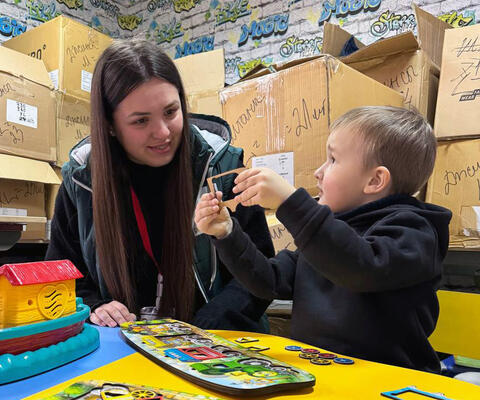
Therapie für ein Kind – Unterstützung zur Verarbeitung traumatischer Erfahrungen (Ukraine)
-

Healthy eating in a daycare center - Empowering children through education and nutrition (Brazil)
Strengthening health in Ethiopia
Reducing poverty, promoting education, creating equality
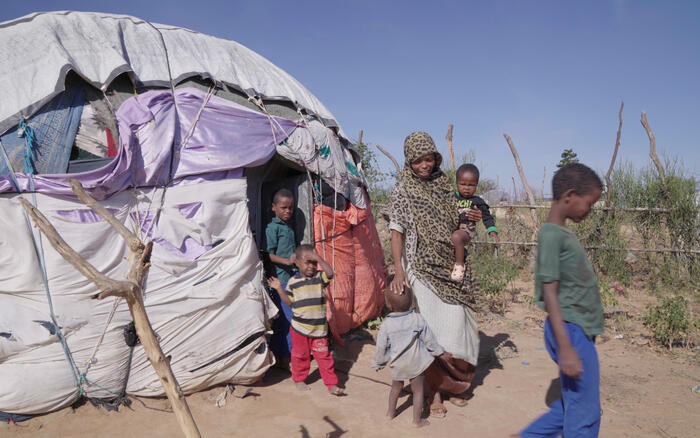
In Ethiopia, poverty and a lack of medical care are part of everyday life. Treatable illnesses quickly become life-threatening, especially in rural regions - medical staff are difficult to reach and treatment is often unaffordable.

How humedica helps:
- Equipping healthcare facilities
- Provision of medicines, medical equipment and sanitary facilities
- Establishment of mother and child departments and waiting areas for pregnant women
- Strengthening the health workforce
- Training for doctors, nurses, midwives and local health advisors
- Training on nutrition, prevention and maternal/child health
- Establishment of referral systems to specialists or larger clinics
- Care and prevention (also in refugee camps)
- Programs for the early detection of malnutrition
- Provision of therapeutic food for children, pregnant women and breastfeeding mothers
- Vaccination campaigns and educational work in communities
- WASH measures: Access to clean water, hygiene, sanitary facilities
- Focus on women and children
- Education and discussions in the communities on health, gender roles and equality
- Women-led health committees in local communities
- Improving women's scope for decision-making and action
- Health insurance for families
- School feeding programs to combat malnutrition in children
Project reports from Ethiopia


Why we are committed to global health
Global responsibility - shaping the future: As the international humedica family, we are committed because health is a human right and because humanity knows no borders. In 2024, we were able to provide vital support to 1,332,802 people. Four perspectives illustrate why our commitment is important:
Everyone has the right to medical care - regardless of origin or income. But for billions of people, this right remains unfulfilled. It is an expression of solidarity to provide medical assistance to people in need.
Germany is one of the wealthiest countries in the world. Our decisions - whether economic, political or ecological - have a direct impact on poorer countries. This gives rise to a responsibility to share resources and help people in difficult life situations. Those who live in security and prosperity can help to alleviate suffering and open up opportunities.
Charity and compassion do not end at national borders. Giving health to others gives dignity, hope and the opportunity to lead a self-determined life. Because those who are healthy can shape their own lives - an important step towards overcoming poverty and dependency.
Health is the basis for education, work and social cohesion. Where people receive medical care, there is more stability, less poverty and a more peaceful world in the long term - from which we all benefit.
Your contribution to the human right to health
With a regular donation, you are supporting the right to medical care. You help to make vital aid plannable and safeguard health - today and in the future.
Health is not everything, but without health everything is nothing.