Current Situation in Somalia
Somalia has been affected by recurring droughts and floods for decades. The prolonged drought from 2020 to 2023 led to severe crop and livestock losses. The drought was followed by severe flooding in many regions in 2023. The situation remains tense even now: In connection with the El Niño weather phenomenon, heavy rains and flooding – as well as further droughts – are expected once again. These recurring climate shocks make it difficult for families to secure their livelihoods in the long term.
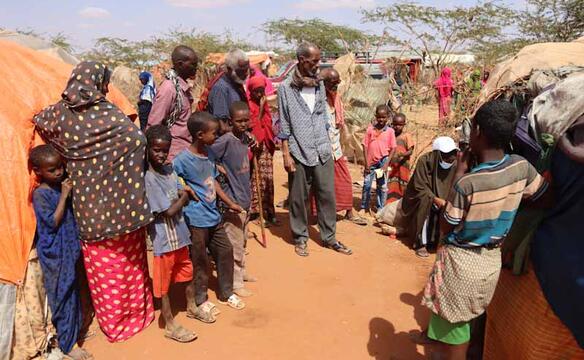
In the south of the country in particular, many people depend on agriculture and livestock farming. A lack of rain, flooding, and the increasing degradation of soil and water resources threaten their harvests and income opportunities. Those particularly affected include people who have been forced to flee their homes due to conflicts or crises, as well as returnees and low-income families in host communities. Women, youth, and people with disabilities often have only limited access to income, land, means of production, and markets.
The growing scarcity of land, water, and grazing areas further exacerbates an already difficult situation and can increase the potential for conflict between different population groups. This makes income-generating opportunities and agricultural methods that make people more resilient to crises and climate change all the more important.
How does humedica help?
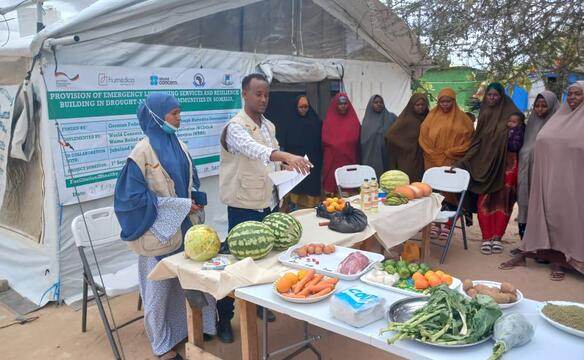
Together with local partners, humedica helps people secure their livelihoods for the long term. The focus is on new income opportunities, climate-resilient agriculture, and the sustainable protection of natural resources.