Agenda 2030: Without decisive action, hunger will remain a reality

Screening for malnutrition - early detection saves children's lives (Madagascar)
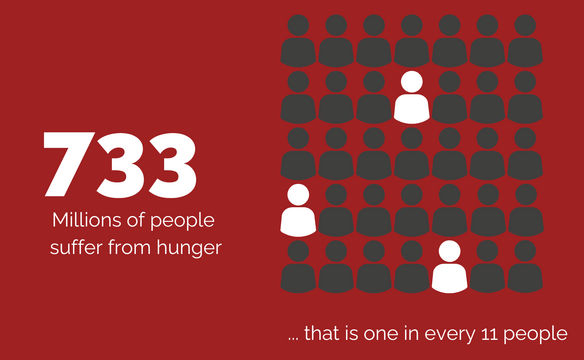
The United Nations has set itself a major goal with the 2030 Agenda: No one should go hungry by 2030(Sustainable Development Goal2 "No Hunger"). However, current developments show regression instead of progress: around one in ten people worldwide - around 733 million - suffer from hunger, and children are particularly affected: 148 million under-fives grow up malnourished and lag behind in their development. Forecasts warn that more than half a billion people will still be suffering from hunger in 2030.
To make this goal a reality, humedica implements projects worldwide that support people with food, medical aid and long-term prospects.
Causes of hunger
Natural disasters and the accelerating pace of climate change are causing droughts, floods and unpredictable weather patterns. The consequences: damaged fields, failed harvests and less food for millions of people.
Agriculture is virtually impossible in crisis and war zones. Destroyed infrastructure, unsafe transport routes and a lack of markets disrupt production and trade. Many people are forced to flee their homes and are unable to feed themselves.
Those who are poor often do not have enough money for enough food. Malnutrition weakens the body and the ability to work - a vicious circle that makes it almost impossible to escape poverty. Women and children are particularly affected.
The consequences of the coronavirus pandemic, disrupted supply chains and rising food prices have exacerbated the situation. Vulnerable groups such as smallholder farmers, women and people in precarious situations are suffering the most.
More than 10 percent of all food produced is lost before it is sold, and around a third is wasted worldwide. Meanwhile, millions of people go hungry - an extreme imbalance.
Combating hunger in the context of the SDGs
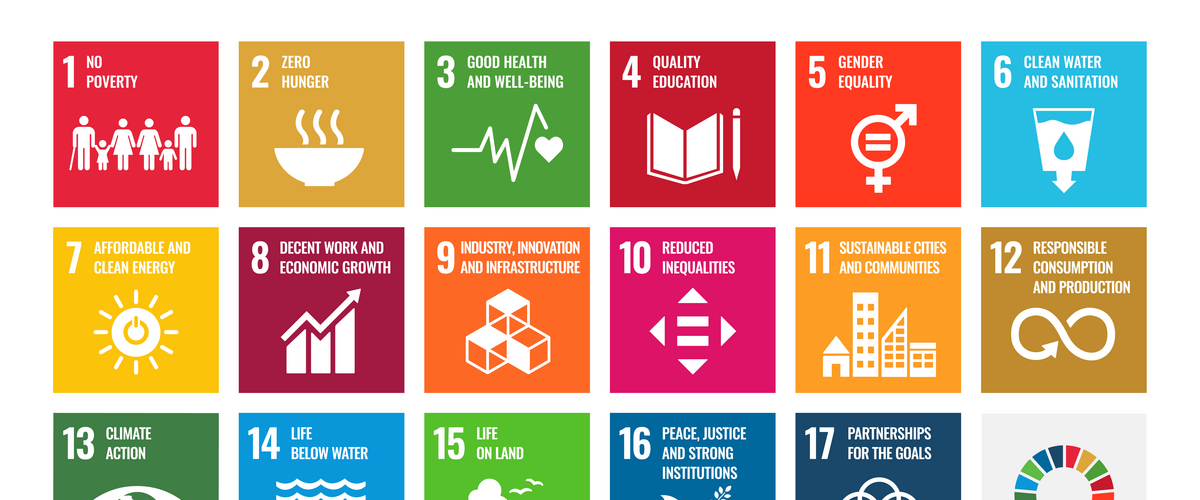
The Sustainable Development Goals (SDG) are 17 global goals of the United Nations for sustainable development by 2030. They aim to end poverty, protect the planet and enable all people to live a good life.
SDG 2 "Zero Hunger" is the central goal for ending hunger and malnutrition worldwide. However, hunger is a complex problem that is also closely linked to other sustainability goals: poverty, health, access to water and the consequences of climate change all play crucial roles. That is why humedica works holistically - and contributes to several SDGs.


Forms of hunger
An unbalanced diet leads to a lack of nutrients such as iron, iodine or vitamins. Children are particularly at risk because growth disorders and illnesses can cause long-term damage.
People who permanently do not have enough to eat suffer from chronic hunger. This form is the most widespread and leads to long-term health problems and fewer opportunities in life. According to forecasts, more than 580 million people will still be chronically undernourished in 2030, more than half of them in Africa. Particularly alarming: 148 million children under the age of five are malnourished and suffer from stunted growth.
Acute hunger occurs in crisis and disaster situations such as droughts, wars or displacement. It is short-term but immediately life-threatening. People who have previously suffered from chronic hunger are particularly affected.
Structural hunger is caused by the unequal distribution of resources, poverty, weak state structures and a lack of political participation. Women and marginalized groups are particularly disadvantaged. This form is deeply rooted in societies and difficult to break.

Your contribution against hunger
With your support, humedica provides children and families with food and strengthens new perspectives through long-term programs. In this way, you not only help in the moment of need, but also contribute to the implementation of the global sustainability goals.
Background information on hunger and nutrition
Overcoming hunger is a global task. It requires not only more support in the global South, but also changes in consumption and production patterns in the global North. One thing is clear: in order to achieve the goal of "zero hunger", greater efforts, more fairness in distribution and strong partnerships worldwide are needed.
Whether facts, analyses or moving stories from the project countries: In our blog, you can find out how hunger develops, how humedica is fighting it and which nutritional measures contribute to healthy development.