When safety is not part of everyday life
A quiet rustling in a toy box - and suddenly Lucas* pauses. A small lizard moves between the building blocks. In the past, he might have screamed or lashed out. Today he reacts differently: carefully, calmly, compassionately.
"We mustn't hurt her. She's scared."
This moment seems inconspicuous. But it shows what real safety means: a child no longer has to be constantly on guard. They can stop, think and take responsibility.
Lucas is nine years old. He lives with his mother, who works irregularly and has hardly any security. He often accompanies her to the fields - even where chemicals are used. He didn't know any reliable structures or protected spaces for a long time.
The consequences were noticeable:
- internal restlessness
- aggressive reactions
- difficulties in dealing with other children
Safety was not a familiar feeling for him.
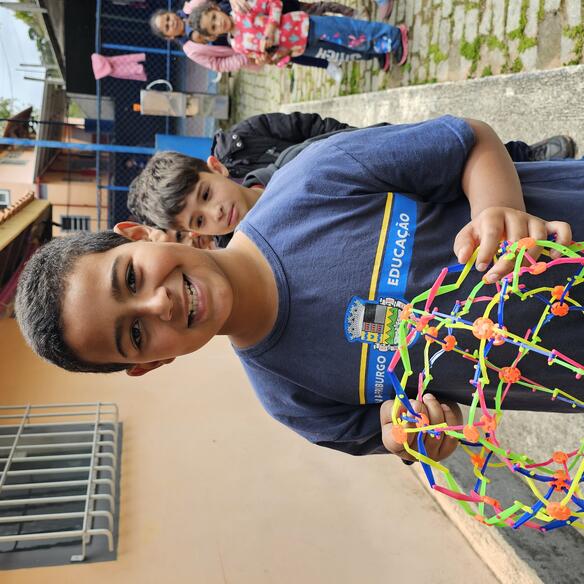
A safe place changes how Lucas sees the world - and himself.
A shelter in the midst of difficult living conditions
The humedica daycare center in Campo do Coelho is located in an environment that poses many risks for children: unsafe streets, poverty and social problems characterize the everyday lives of many families.
A place that offers protection is all the more important.
The facility ensures basic safety through:
- clearly demarcated and inspected rooms
- trained staff
- fixed safety standards and checks
But these external factors are only the basis. Real safety comes from relationships.
Be seen - every day
At the daycare center, safety begins with attention. Fixed routines such as personal greetings, eating together, hygiene rituals and play and learning times structure the day. These rituals provide orientation - especially for children who experience little stability at home.
The children learn something crucial here:
- Adults listen
- they remain reliable
- they set boundaries without creating fear
Lucas begins to develop trust. When he is unsure, he now seeks out conversation. He asks for help instead of defending himself.
An important component is capoeira - a combination of movement, music and play. It teaches him body control, respect and cooperation. "He now knows that he no longer has to use violence to protect himself," says a caregiver, describing his development.
-
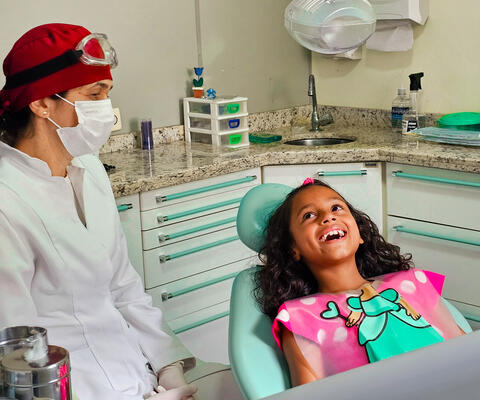
With care and patience, even a visit to the dentist can be a good experience.
-
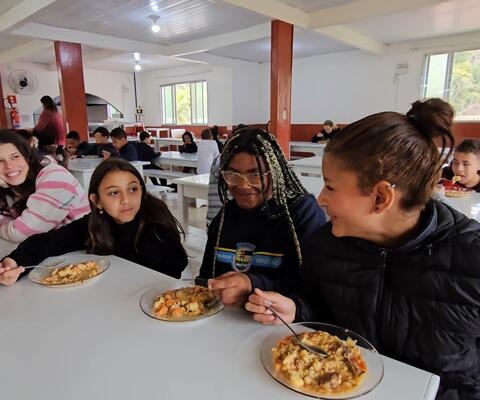
Eating together, learning together: moments that strengthen and connect.
-
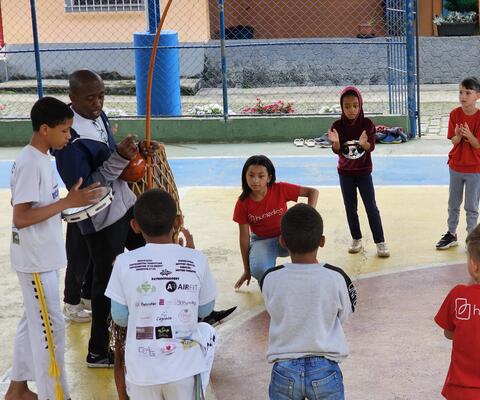
Capoeira teaches children respect, self-confidence and cooperation.
-
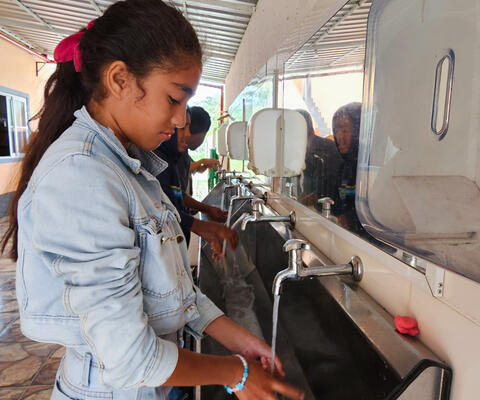
Through play, the children learn how they can protect themselves from illness and pass this knowledge on to their families.
How emotional security changes lives
Emotional security is visible - in children's everyday lives.
It becomes apparent when children:
- ask questions
- address conflicts
- allow closeness
Lucas is also changing step by step. Aggression becomes affection. Restlessness turns into concentration.
The team works closely with schools and health services to provide the children with holistic support. Support does not end in the afternoon.
Why daycare centers are more than just childcare
The humedica daycare center is more than just a place to play.
It is:
- a safe space
- a place to learn social skills
- a place for trust and development
Children receive a clear message here:
You are not alone. You are seen. You are allowed to make mistakes.
This experience can change a life.
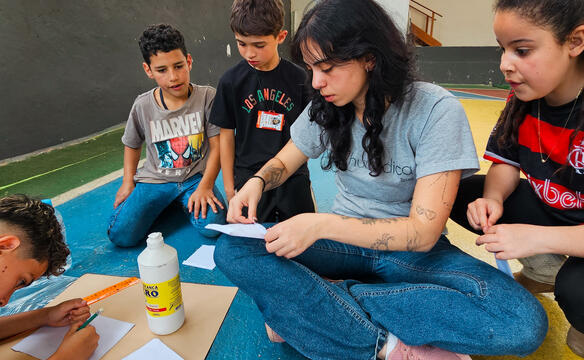
Creative activities promote concentration, expression and community
How humedica provides concrete help
humedica supports children worldwide in growing up safely and developing prospects.
The work includes:
- Care, food and support for children
- Psychosocial support
- Collaboration with families, schools and health services
- Building sustainable structures on site
The aim is not just to help children in the short term - but to improve their future in the long term.
Frequently asked questions about humedica's aid in Brazil
Safe places give children stability, orientation and trust. They enable healthy emotional development and help to process traumatic experiences.
Children learn to resolve conflicts without violence, build trust and regulate their emotions. This strengthens their social skills and their future prospects.
humedica works with local partners and supports children in the long term. The aim is to build stable structures that remain in place even after the project ends.
*Name changed