Country Information: Madagascar
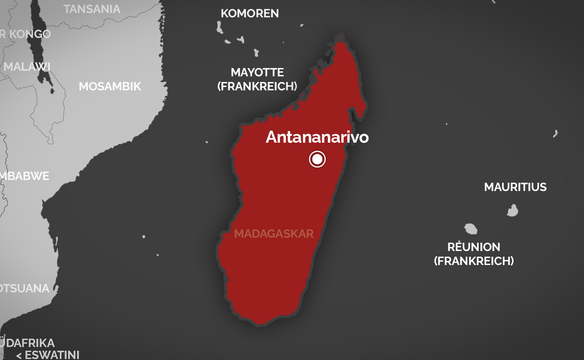
- Capital: Antananarivo
- Official language: Malagasy, French
- Population: 32 million
- Currency: Madagascar Ariary
Madagascar: Facts and figures on the humanitarian situation
(2022)
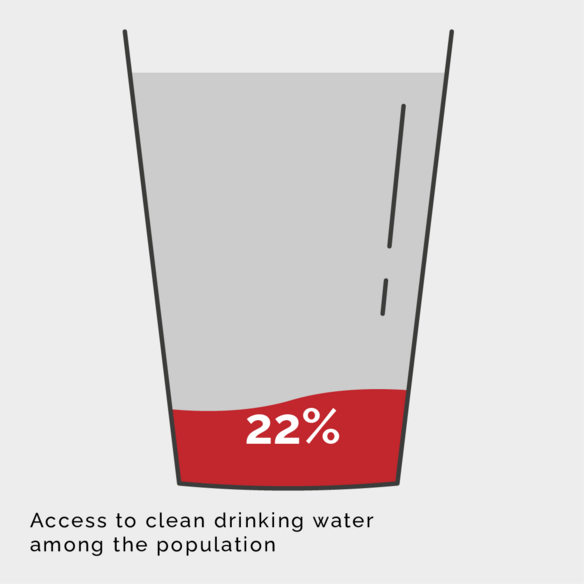
(2024)
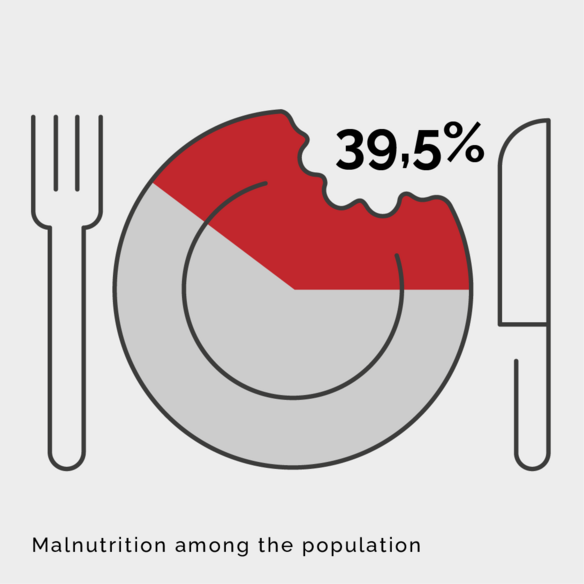
(2025)
Without the forest there is no more water, without water there will be no more rice.
Malagasy proverb
In Madagascar, the description of a meal always begins with the word "rice". No wonder, as rice is the most important staple food for the people there. However, rice requires large quantities of water to grow - a precious commodity that is becoming increasingly scarce in many places. As huge water reservoirs, forests play a crucial role here, as they form groundwater and ensure the supply of clean water.
This Malagasy proverb shows how closely the three components of nature, water and food are linked - and can also be interpreted as an appeal.
Madagascar in pictures
-
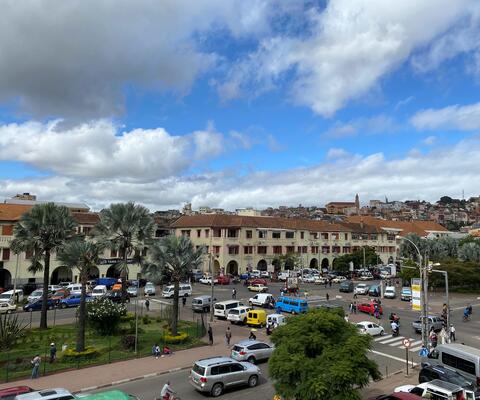
Located in the central highlands of the island, Antananarivo is the capital and largest city of Madagascar.
-
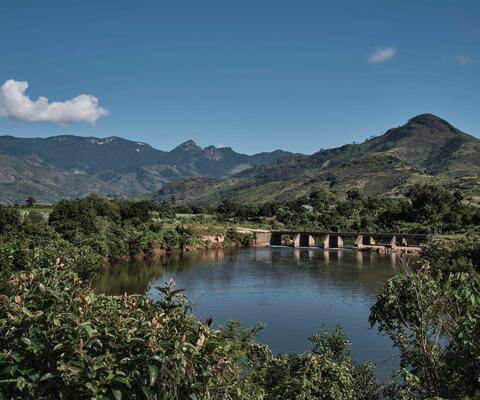
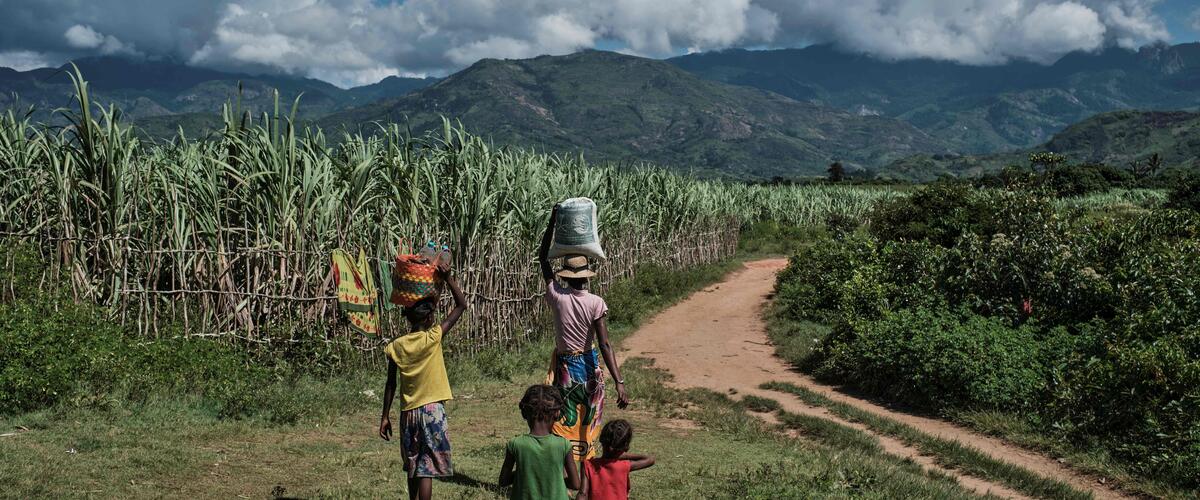
The central highlands of Madagascar are characterized by impressive mountain landscapes, vast rice terraces and pristine nature.
-
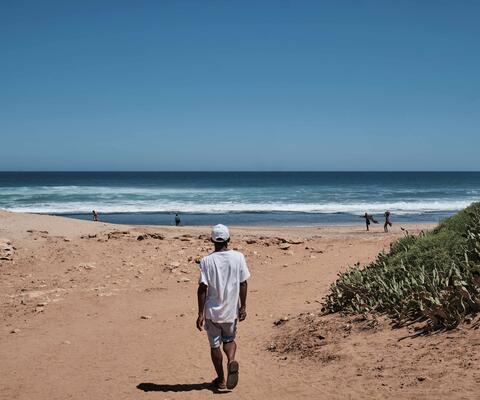
Madagascar's Indian Ocean coastline is home to beautiful beaches with turquoise waters and a fascinating underwater world.
-
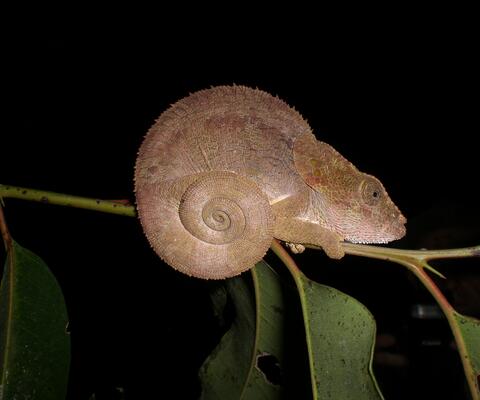
Madagascar is home to an extraordinary variety of chameleons - including the smallest chameleon in the world, which only grows to around three centimetres in size.
-
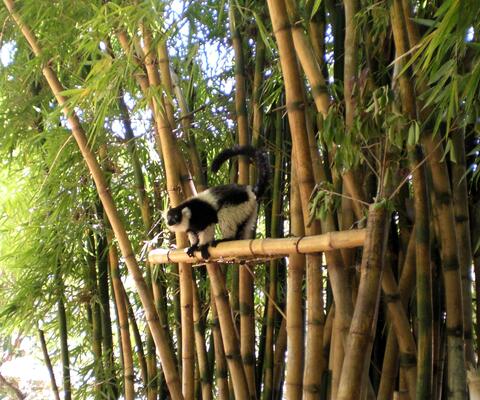
Madagascar is known for its lemurs, which are exclusively native to the island.
-
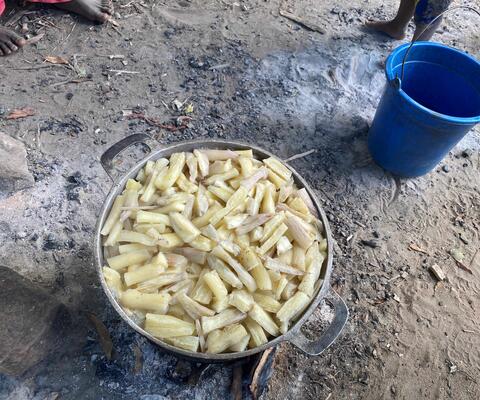
Manioc is an indispensable source of food for many people in Madagascar. The robust tuber also thrives in drier soils and thus ensures the survival of many families.
-
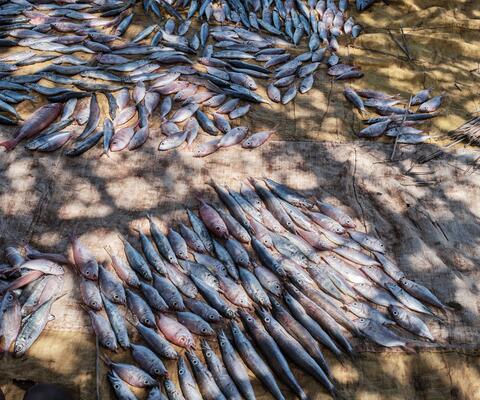
In many coastal villages in Madagascar, the survival of entire families depends on fishing.
-
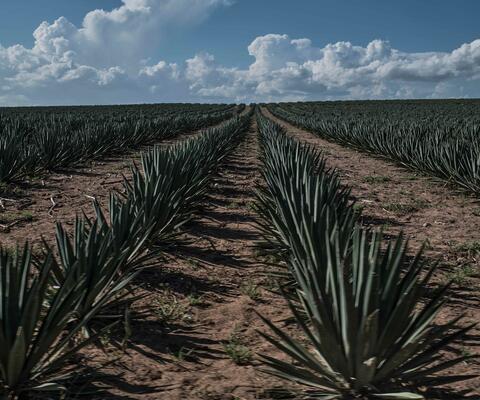
The sisal agave is a useful plant in Madagascar, whose robust fibers are traditionally used to make carpets, for example, and provide people with an income.
-
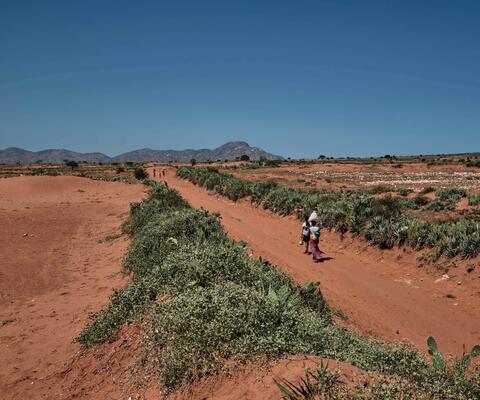
The south of Madagascar is drier and more arid than the north. The recurring droughts particularly affect those families who live from agriculture.
-
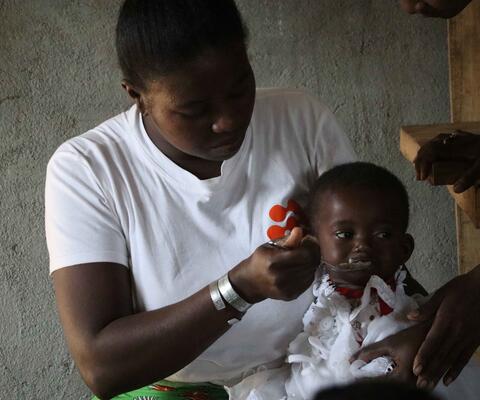
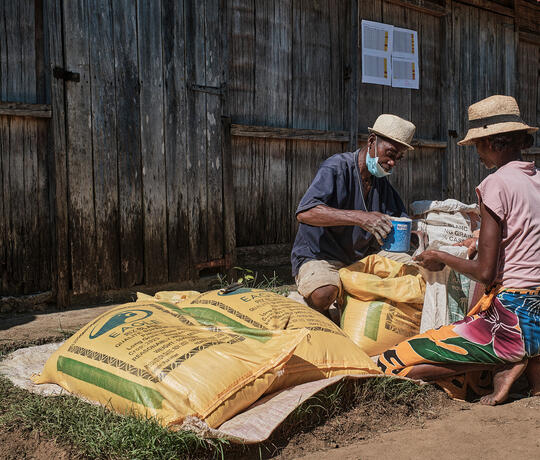
Many people lack food, especially children struggle with hunger. humedica trains medical staff on site to recognize and treat malnutrition in children.
Population, land and living conditions
A land of biodiversity
Madagascar is often referred to as the "eighth continent" - and for good reason. Millions of years ago, the island broke away from the African mainland. This long geographical isolation resulted in the development of a unique natural environment that cannot be found anywhere else in the world: Countless animal and plant species are found exclusively on Madagascar. The lemurs and the impressive baobabs, which characterize the landscape in many places, are particularly well-known.
However, this natural wealth is increasingly under pressure due to slash-and-burn agriculture and climate change.
Cultural diversity
Madagascar's population is also diverse. The ancestors of the Madagascans originate mainly from South Asia, but also from East Africa and the Middle East. These different influences are still reflected today in the culture, traditions and way of life.
Most people speak Malagasy as their mother tongue. French is a remnant of the colonial era and is considered the second official language. It is used in public life, administration and education, especially in cities such as the capital Antananarivo.
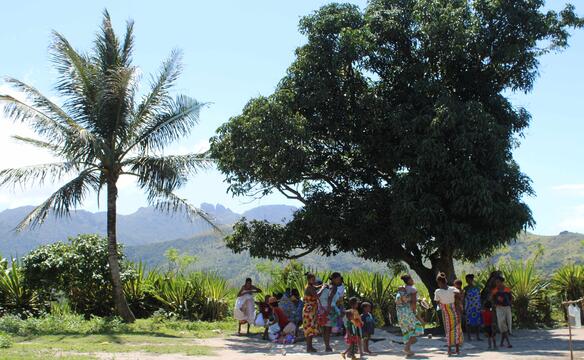
Humanitarian Situation
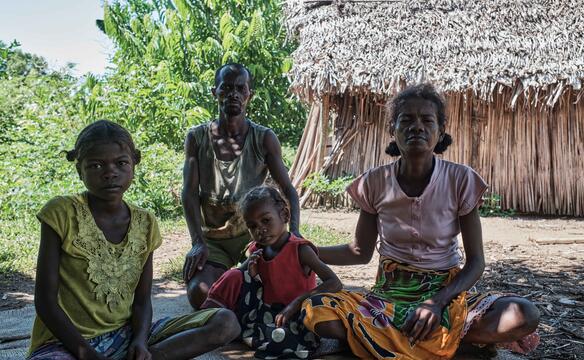
Many families in Madagascar are losing their livelihoods due to increasing natural disasters.
Political Unrest
Despite its extraordinary nature and rich biodiversity, Madagascar is one of the poorest countries in the world. In addition to poverty, the situation in the country is repeatedly characterized by political uncertainty. For example, there have been protests against the government led by young people. This was triggered by the difficult living conditions and the tense economic situation - characterized by inadequate basic services and corruption. Following the dismissal of the president by parliament, a military-backed transitional government took power.
Natural Disasters and the Food Crisis
A large part of Madagascar's population lives from small-scale farming and is dependent on their harvests - both to feed themselves and to secure an income. However, increasing natural disasters such as prolonged droughts, strong cyclones, increased plagues of locusts and irregular rainy seasons are increasingly destroying people's livelihoods. Fields wither or are flooded, water sources dry up and livestock die.
The need is particularly great in the south of the country: clean drinking water and sufficient food are no longer available in many places. Millions of people are affected by hunger. Children suffer the most from the consequences: Malnutrition at a young age can permanently impair their growth, health and future prospects.
Health and Medical Care
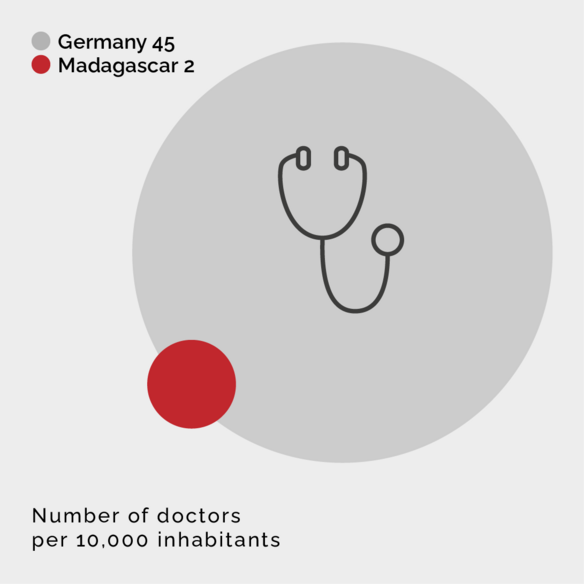
People are often unable to afford medical help. They also have to travel very long distances from their remote communities. Hospitals are usually only located in cities. There are also far fewer qualified medical staff than necessary to provide people with adequate care.
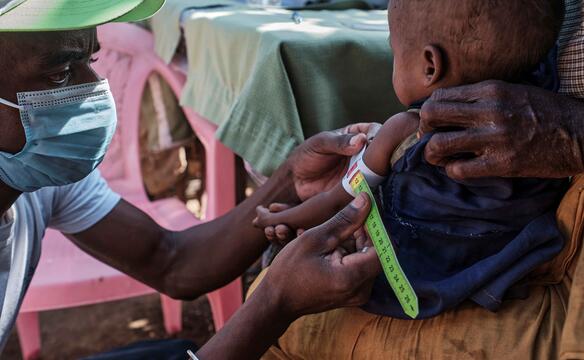
The arm circumference is measured with a MUAC band to detect malnutrition in children.
More about Madagascar and humedica
humedica trains health personnel in Madagascar so that malnutrition in children is recognized and treated at an early stage. They receive supplementary nutrition and regular check-ups. Find out more about our help in Madagascar.