Country information: Niger
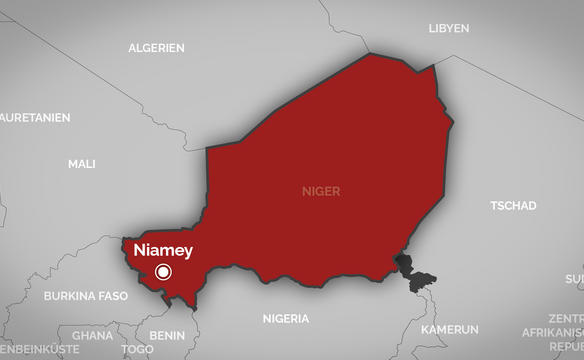
- Capital: Niamey
- Official language: French
- Population: 27 million (2025)
- Religion: Islam
- Currency: CFA franc
Niger: Facts and figures on the humanitarian situation
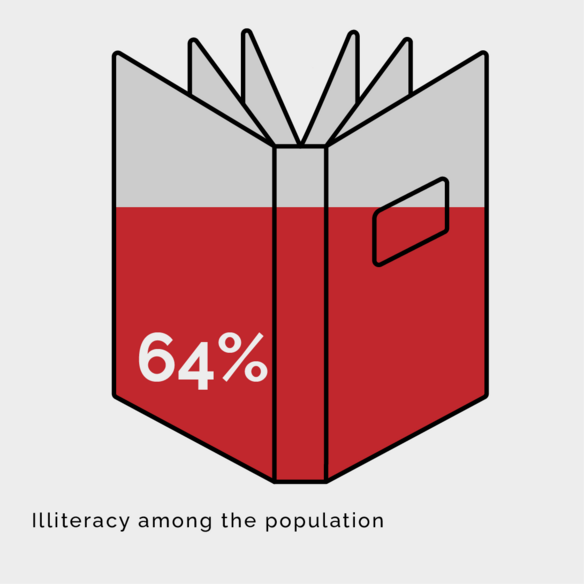
(2022)
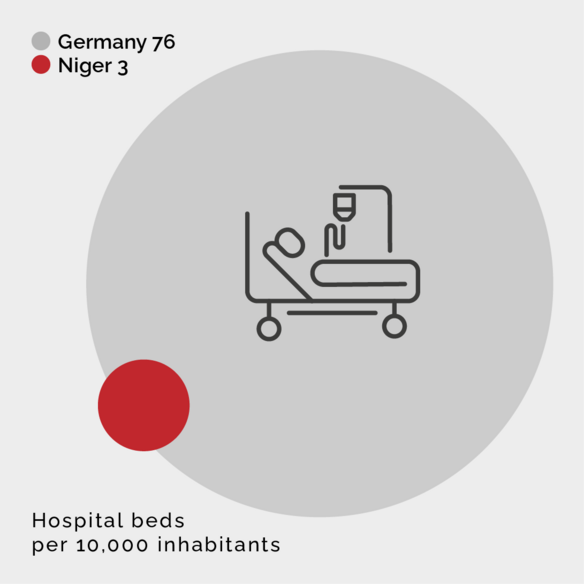
(Niger 2020; Germany 2023)
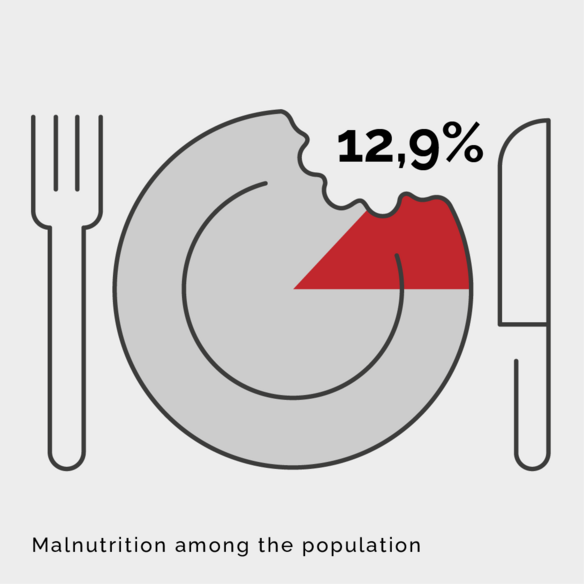
(2025)
You will show the house in which you have experienced hardship with a millet stalk.
Proverb from Niger
This proverb comes from the Hausa culture in Niger, where millet is one of the most important staple foods. It is rich in nutrients, resistant to heat and drought and provides food for the population. Agriculture plays a central role in Niger and shapes people's daily lives.
Niger in pictures
-
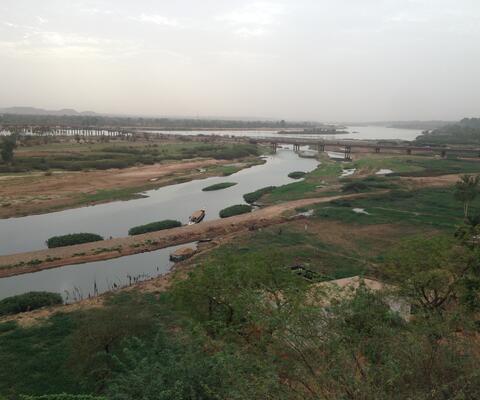
Niger is named after the river of the same name that crosses the country in the southwest. The third longest river in Africa serves as a vital source of water for the inhabitants along its course.
-
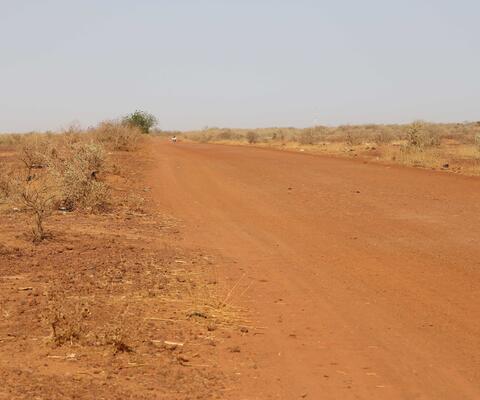
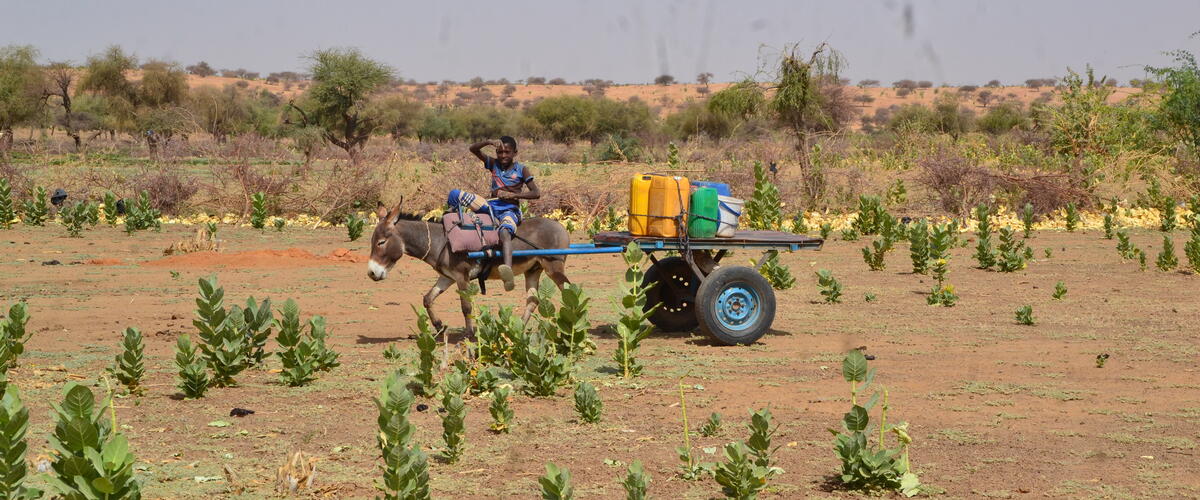
While the areas along the river are fertile, the rest of the country is arid. Two thirds of Niger lies in the Sahara, while the remaining part belongs to the Sahel zone - the transition to the savannah. Niger is therefore known as a desert and savannah country.
-
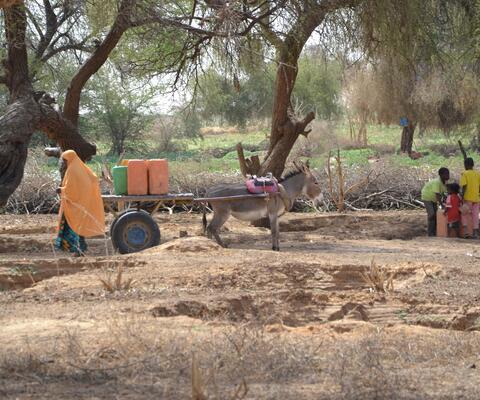
Around 80% of the population lives in rural areas. The urban proportion is low and most city dwellers live in the capital Niamey.
-
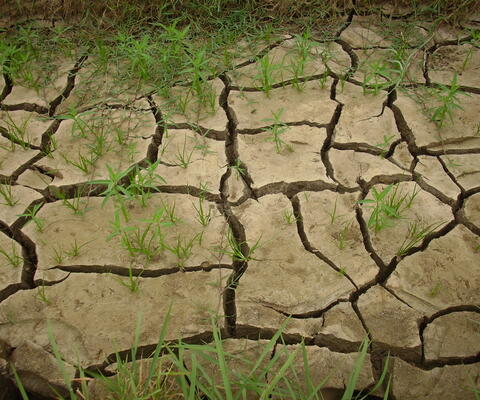
Long periods of drought lead to crop failures, water shortages and hunger. This hits smallholder families particularly hard.
-
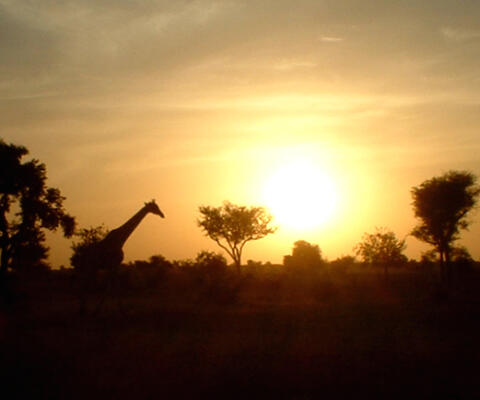
Niger is home to numerous animal species, including desert foxes, desert antelopes, hyenas and giraffes, as well as reptiles such as tortoises and snakes.
Population, land and living conditions
A large country with a young population
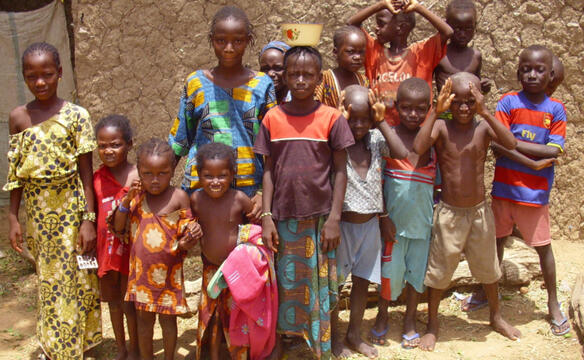
With an area around three and a half times the size of Germany, Niger is one of the largest countries in Africa. Nevertheless, it only has a population of around 27 million - and more than half of them are under 15 years old. On average, a Nigerien woman has six to seven children. This high population growth is shaping the country and posing challenges for society.
Colonial legacy
After 48 years as a French colony, Niger gained its independence in 1960. However, the influence of France remains palpable. The colonial currency CFA franc is still the official currency, France remains an important trading partner and the official language is French. Nevertheless, the everyday language is Hausa, which is spoken by over three quarters of the population.
Cultural diversity
In addition to the Hausa, Tuareg, Zarma, Fulbe and many other ethnic groups live in the country, all with their own languages, traditions and rituals.
Humanitarian situation in Niger
Political instability, poverty and hunger
The military coup in 2023 further exacerbated the already fragile situation in the country and has had an impact on daily life ever since. Rising food prices are a particular burden on those who already live in poverty.
In rural areas, where most people are dependent on agriculture, droughts and unforeseen weather conditions lead to crop failures and financial losses. Famines are on the rise and countless people, including many children, are suffering from malnutrition.
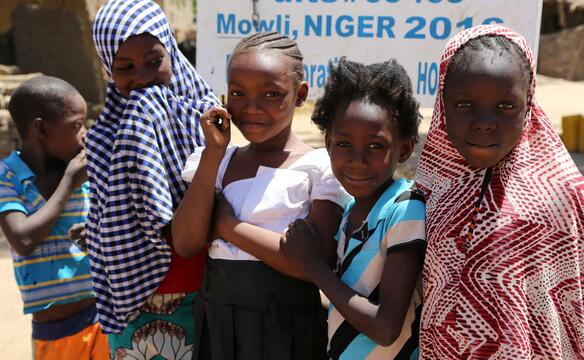
Girls are particularly affected by the insecure situation in Niger.
Displacement and insecurity
Armed conflicts in border regions and terrorist groups in the west of the country are exacerbating the humanitarian crisis. Many people are forced to leave their villages in search of safety, food and new prospects.
The situation in the country is particularly stressful for girls and women. Insecurity, poverty and traditional role models increase the risk of gender-specific violence. Girls are often married off at an early age and are denied educational opportunities.
Health and medical care
Most people do not receive basic healthcare. There are far too few doctors for the size of the population. Hospitals are rare and almost impossible to find outside the city.
But diseases spread quickly due to contaminated water and a lack of hygiene facilities - with fatal health consequences.
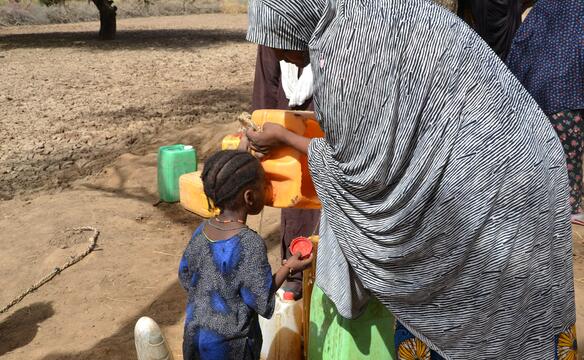
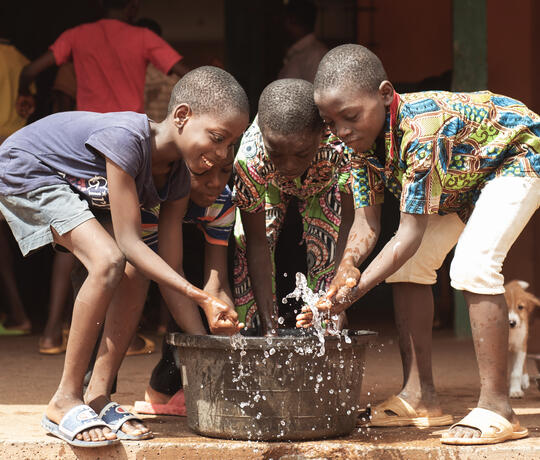
Many people in Niger do not have secure access to drinking water. humedica helps by providing clean water.
More about Niger and humedica
humedica supports the people of Niger in the Tahoua region, in particular with clean water and sanitary facilities. You can find out more about our work on the ground here.