Current situation in Niger
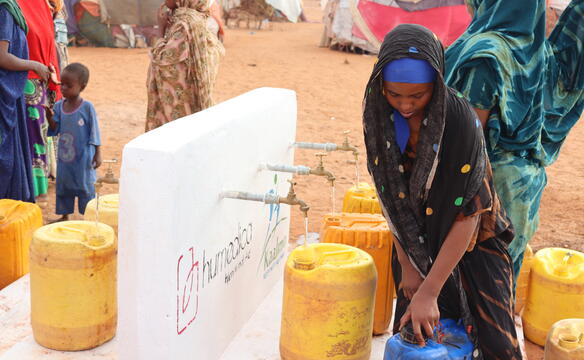
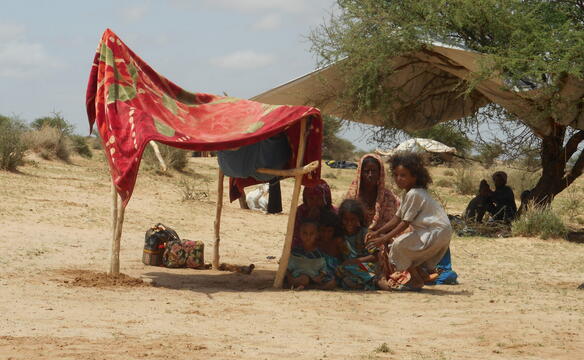
Niger is located in the Sahel region and is characterized by armed conflicts as well as the devastating effects of the climate crisis. Since the military coup in July 2023, food prices have been rising and even more people are sinking into poverty. The population is fleeing within the country and beyond its borders. In rural regions, droughts are making farming difficult and causing a shortage of resources, resulting in hunger and malnutrition. Access to clean drinking water is problematic and also causes conflicts between locals and refugees. A lack of hygiene increases the risk of the rapid spread of infectious diseases.
How humedica helps
In the Tahoua region, access to clean water, hygiene and sanitation as well as strategies for peaceful coexistence of the affected communities, including people with disabilities, are to be sustainably improved.
Repair and optimization of existing drinking water pipes
Expansion of the drinking water network for schools and health centers
Provision of hygiene kits for schools
Provision of canisters for water transportation
Construction of gender-segregated latrines
Inclusion of people with disabilities
Training courses on public water supply
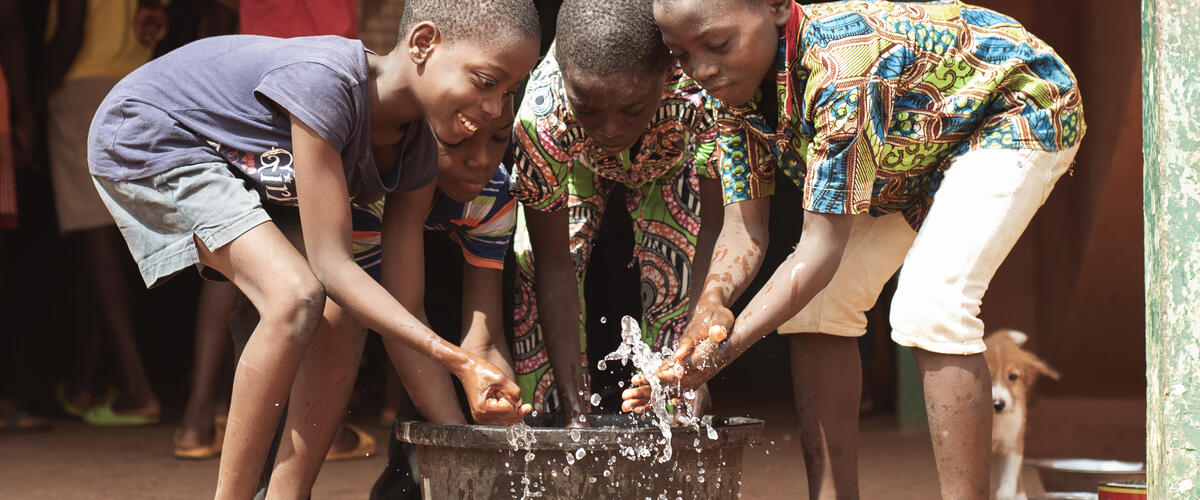
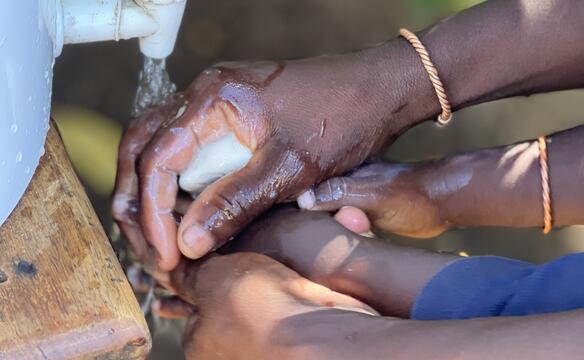
Education about hygiene practices
Training to strengthen social cohesion, peacebuilding and peaceful conflict resolution