Country information: Brazil
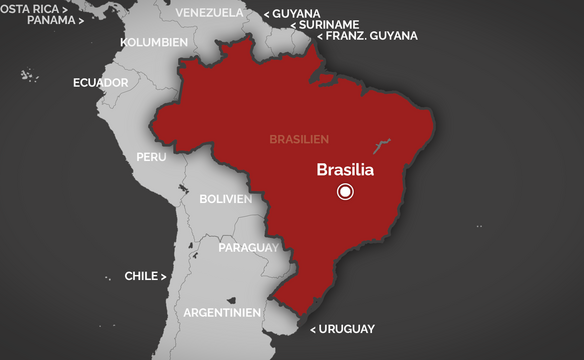
- Capital: Brasilia
- Official language: Portuguese
- Population: 213 million (2026)
- Currency: Brazilian real
Brazil: Facts and figures on the humanitarian situation
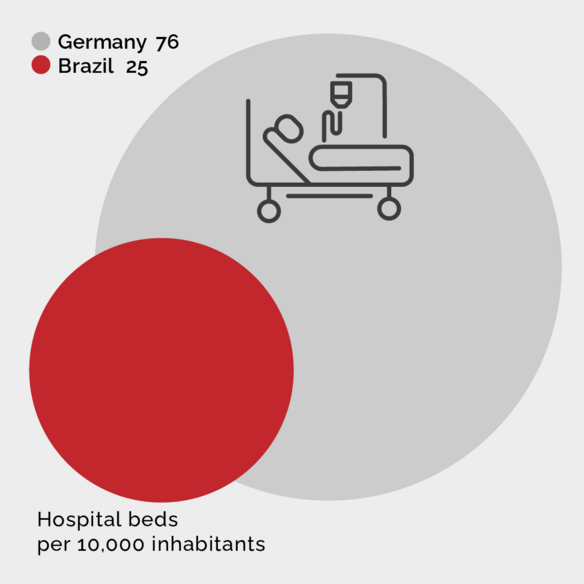
(Brazil 2021, Germany 2023)
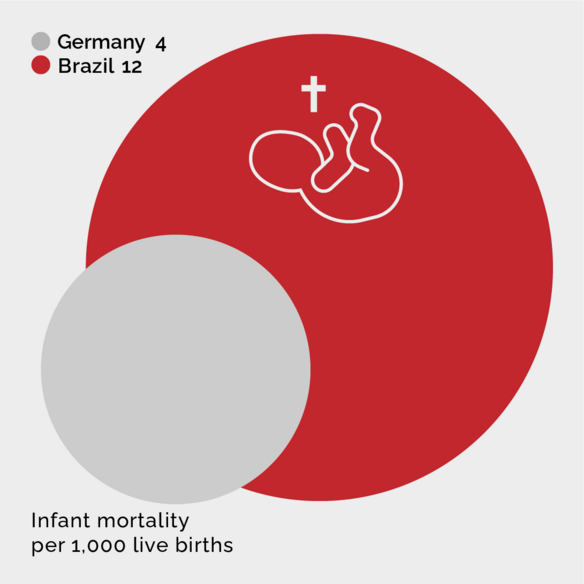
(2023)
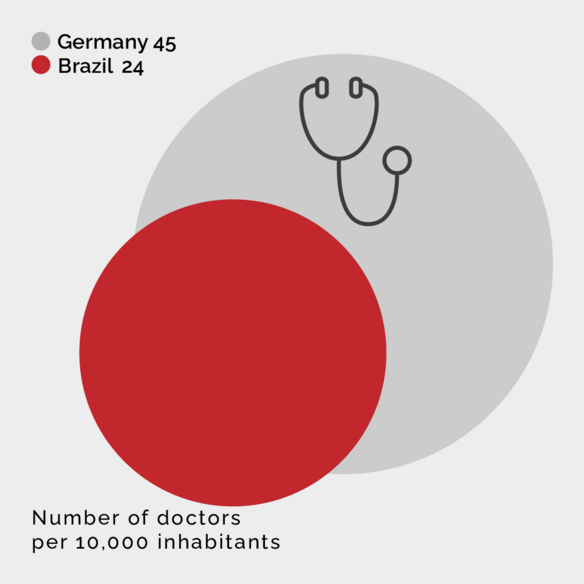
Brazil 2023, Germany 2022
"One swallow does not make a summer."
Brazilian proverb
Even though the proverb appeals to everyone to work together to bring about change, Brazil is one of the countries with one of the largest gaps between rich and poor. Many people live in so-called favelas, often illegal dwellings, and can barely afford the basic necessities of life.
Brazil in pictures
-
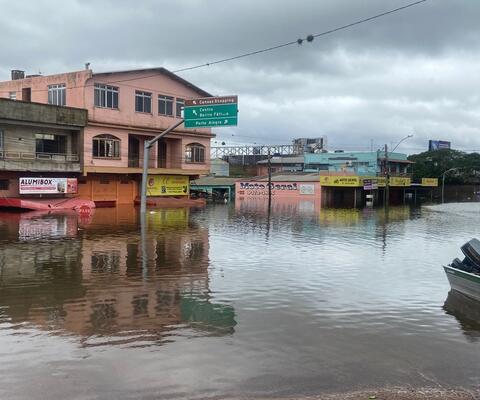
Heavy rainfall regularly leads to flooding in many regions of Brazil.
-
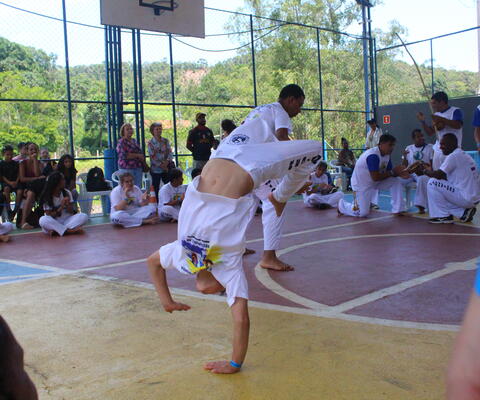
Capoeira is deeply rooted in Brazilian culture. The combination of dance, music and martial arts shapes the everyday lives of many children and young people.
-
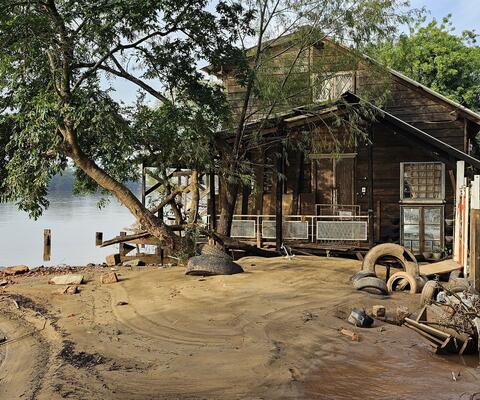
On the Ilha dos Marinheiros in southern Brazil, many people live from agriculture and fishing. In rural regions, infrastructure and supplies are often less developed than in the cities.
-
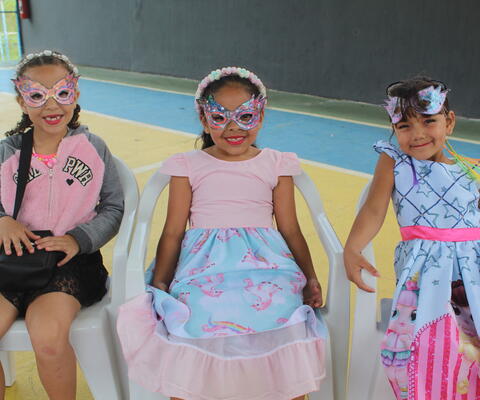
Carnival is one of the most important cultural events in Brazil. Preparations often begin in childhood and are an integral part of social life.
-
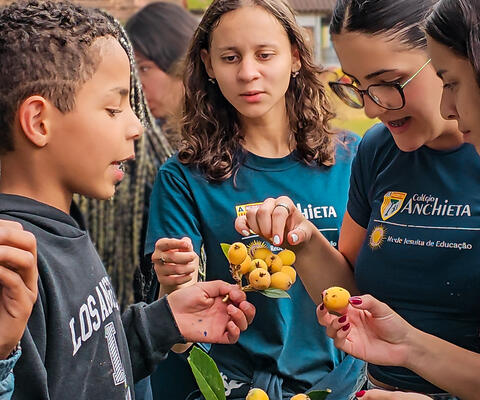
Wallflowers ("Nêspera") are widespread in parts of Brazil. Fresh fruit is part of the local diet - at the same time, many families have limited access to a balanced diet.
-
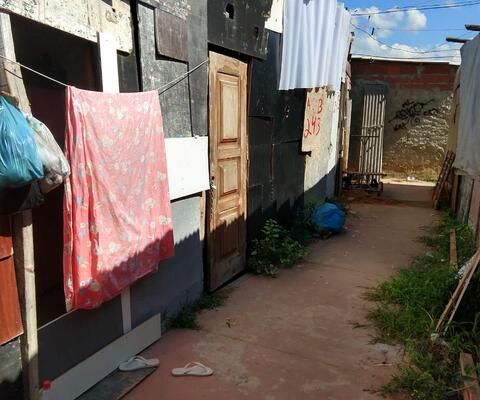
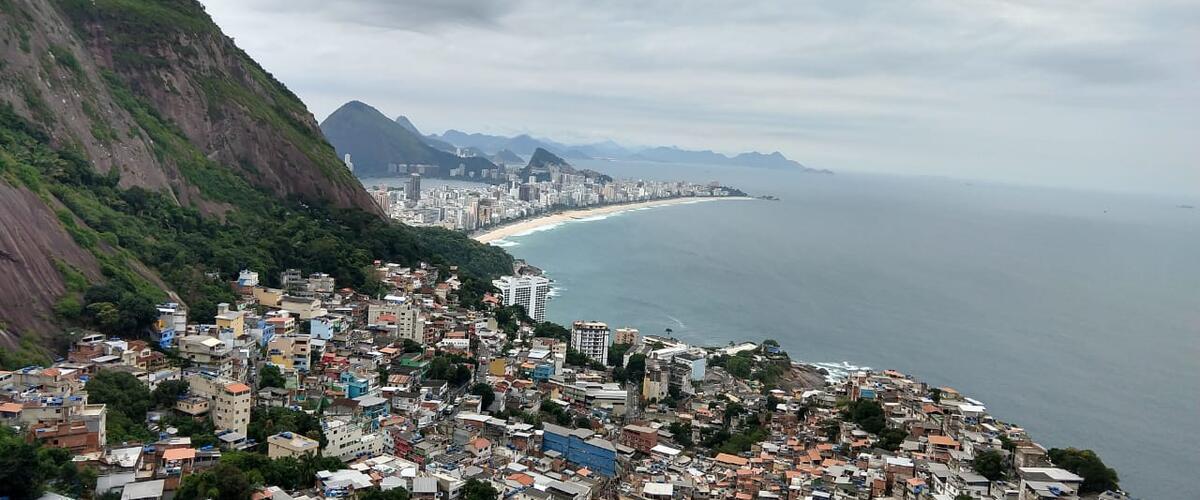
Brazil is a country with great social inequality. Prosperity and poverty often go hand in hand - especially in urban peripheral areas.
Population, land and living conditions
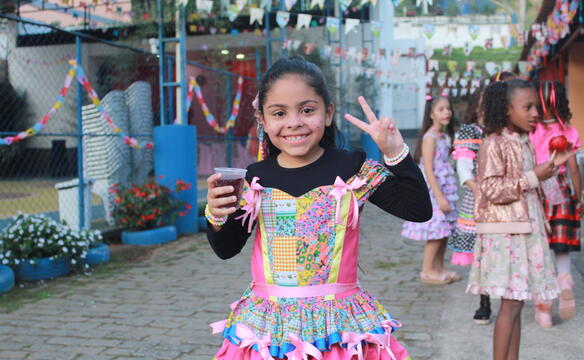
National language and population
Once colonized by Portugal, the immigrants brought their national language, Portuguese, with them to Brazil. The pre-colonial languages, which belong to the Tupi and Guarani language varieties, are now only spoken by people who live in indigenous groups, usually far away from the cities. For them, 12% of Brazil is reserved, mostly in the Amazon region. In addition to European immigrants, many Africans were brought to the country as slaves. Many cultural sports and dances can be traced back to the population of African descent, such as capoeira.
The majority of Brazil's 215 million people live in the large cities, which are concentrated in the east and south of the country. On the outskirts of the cities, economically disadvantaged people living in poverty make their homes in the so-called favelas.
Regional differences and urbanisation
Brazil is characterized by strong regional contrasts. While the majority of the population is concentrated in the economically stronger coastal regions in the east and south, large parts of the interior of the country - particularly in the Amazon region - are sparsely populated and less developed in terms of infrastructure.
In the rapidly growing cities, different realities of life come into direct contact with one another: modern urban districts stand side by side with informal settlements. Access to education, healthcare and secure jobs is unevenly distributed and depends heavily on where you live and your financial means.
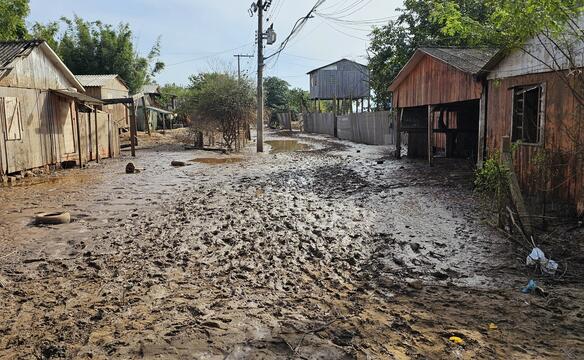
Village center of Ilha dos Marinheiros after a flood
Humanitarian situation
Social inequality
Social inequality in the country is one of the highest in the world - and the gap between rich and poor is growing. The coronavirus pandemic has led to a renewed rise in poverty in the country and has had a severe impact on already disadvantaged and vulnerable groups. The majority of people are unable to eat a balanced diet - for many, hunger is a reality of life - and basic medical care is also not guaranteed.
The unequal living conditions are also reflected in the security situation: Brazil ranks 130th out of 163 countries in the Global Peace Index (as of 2025). Crime is particularly high in urban peripheral areas, and organized gangs sometimes control entire neighbourhoods. Violence not only affects criminal structures, but also the civilian population. Drugs are repeatedly seized during large-scale police operations, but they cost the lives of around 17 people every day, including a large number of civilians.
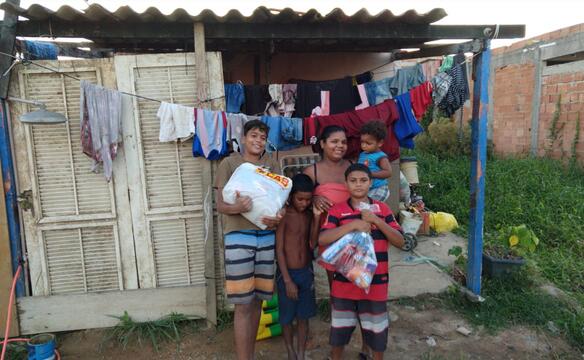
Living in self-built dwellings is a reality for many people in Brazil.
Education
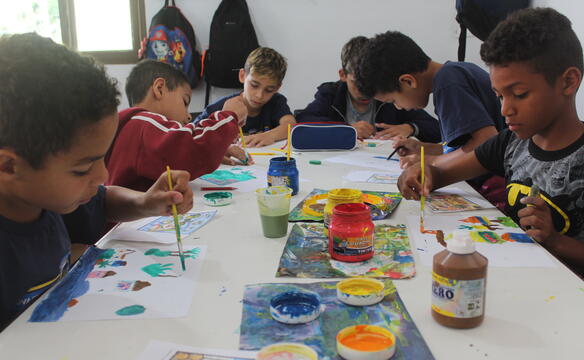
Social inequality is also clearly reflected in the area of education. A good level of education is a prerequisite for a future job opportunity. However, many children and young people are denied this, as school attendance and the associated school materials depend on the financial resources of their families. Parents have to work many hours a day to provide for their families, which means that children are often left to fend for themselves after school. Children living in the favelas in particular find themselves in such a vicious circle of poverty, which severely restricts their chances of a promising future or even makes them impossible.
Natural disasters
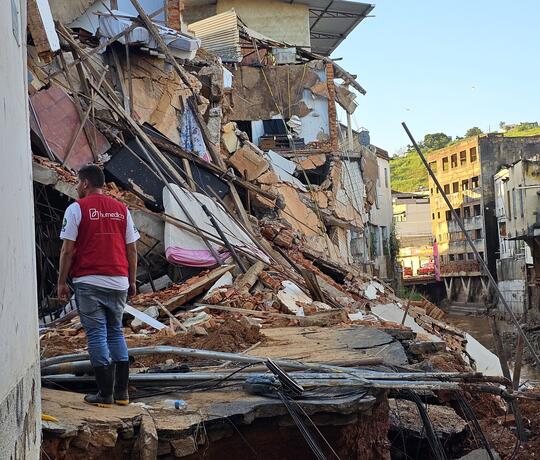
Brazil is regularly affected by natural disasters, which vary from region to region. Heavy rainfall is particularly frequent in the south-east and south of the country - for example in states such as Rio de Janeiro and São Paulo. They repeatedly lead to flooding and landslides, especially in densely populated urban areas and slopes with simple buildings.
In the north, particularly in the Amazon region, seasonal floods occur that can inundate entire areas. For many communities, these fluctuations are part of everyday life, but make access to infrastructure and supplies more difficult.
The north-east of Brazil, on the other hand, is regularly affected by periods of drought. The lack of rain there jeopardizes agriculture and thus the livelihoods of many families.
The effects of such natural events primarily affect people who are already living in difficult conditions and further exacerbate existing social inequalities.
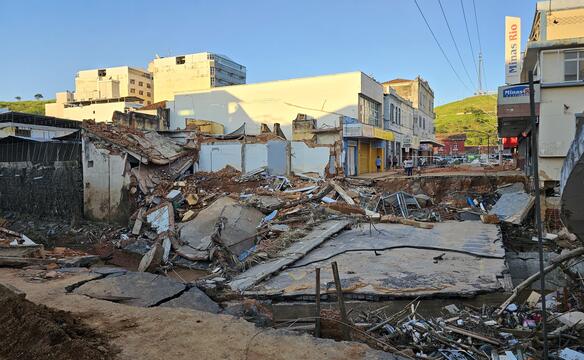
Destruction after flooding in the state of Minas Gerais in the west of the country
Find out more about Brazil and humedica
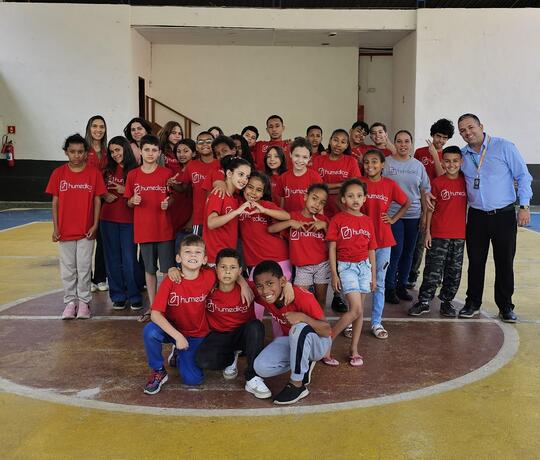
Humedica has been active in Brazil since 1994 and works closely with local communities - including in Campo do Coelho near Nova Friburgo in the state of Rio de Janeiro. Children and their families are supported through education, care, medical care, disaster prevention measures and assistance in acute crises.