Support for people with disabilities and leprosy - through mobile medical teams and disaster preparedness (Nepal)
Current situation in Nepal
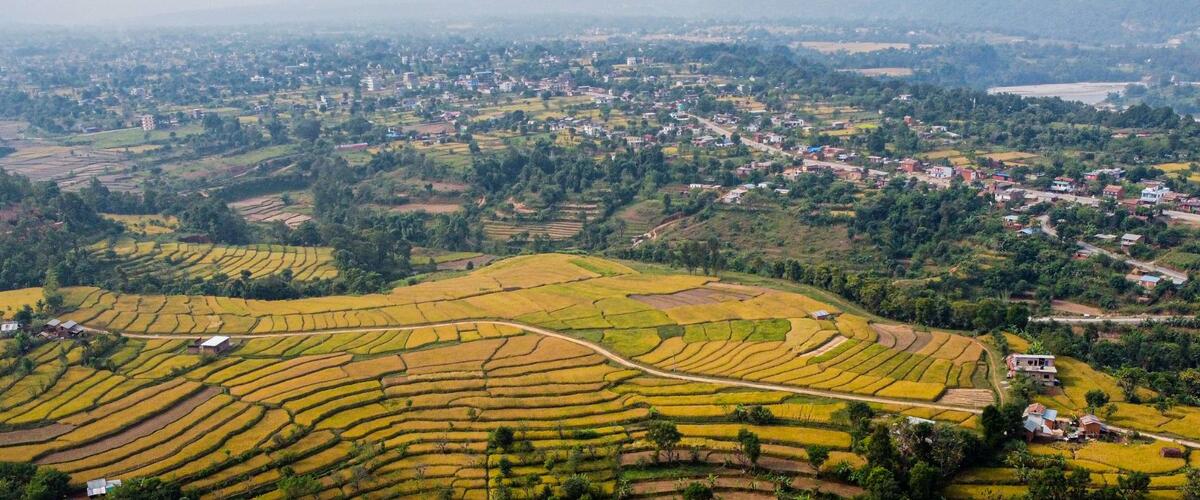
Multiple challenges come together in the region bordering India: floods and erosion threaten villages, infrastructure and agriculture, especially during the monsoon season. Natural disasters affect an already disadvantaged population and exacerbate the situation of people with disabilities who are already excluded from social participation and medical care.
The everyday lives of these people are characterized by poverty, isolation and a lack of opportunities to improve their state of health. Particularly affected are women and children, who are exposed to the greatest risks in the rural and inaccessible areas of Nepal. The lack of rehabilitation services and medical care not only leads to health problems, but also increases the economic and social exclusion of the entire family.
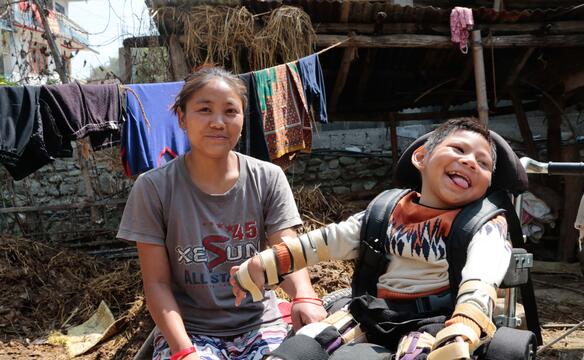
Children with disabilities are particularly affected by this situation: In the Karnali region, many children show signs of developmental delays. At the same time, there is a lack of specialized support services, accessible schools and trained staff. Low awareness among parents and professionals as well as social stigmatization make access to support even more difficult.
Lepra sufferers also suffer from a double problem: although the disease is easily treatable in its early stages, it is difficult to get to the nearest health center without transport. At the same time, the social stigma prevents many sufferers from seeking help at all. As a result, the disease often remains untreated and progresses unhindered.

How does humedica help?
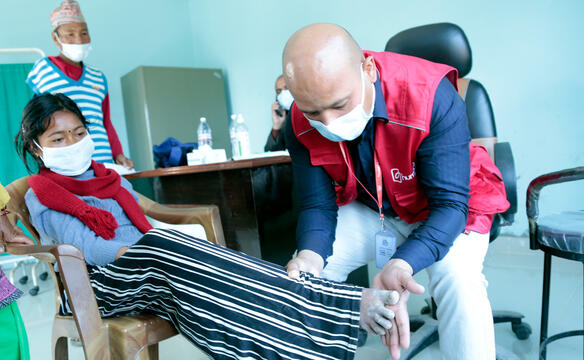
Early detection and medical care: Mobile medical teams and local health posts make it possible to detect and treat diseases and disabilities at an early stage - even in remote regions.
How you can help:
Leprosy can be detected at an early stage with a skin slit smear at a cost of €14.
70 is used to train a team of health workers in the detection and treatment of leprosy.
200 is used to prepare a local hospital for a disaster by simulating a crisis situation.