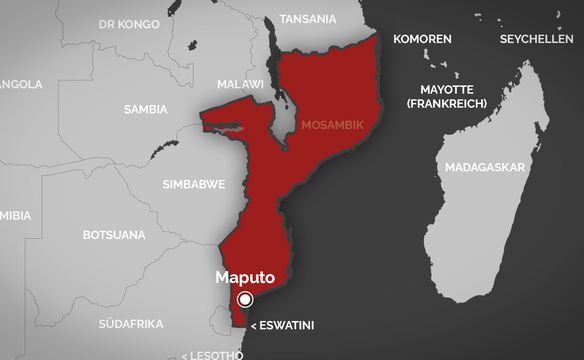
Country information: Mozambique
- Capital: Maputo
- Official language: Portuguese
- Population: 34.6 million
- Currency: Metical
Mozambique: Facts and figures on the humanitarian situation
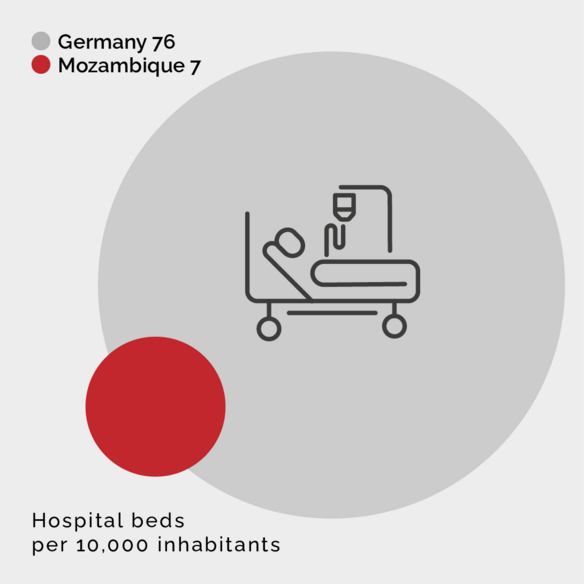
(Mozambique 2021, Germany 2023)
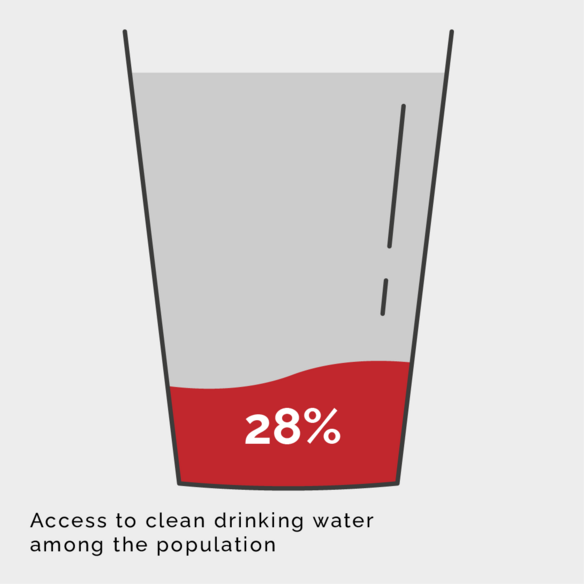
(2024)
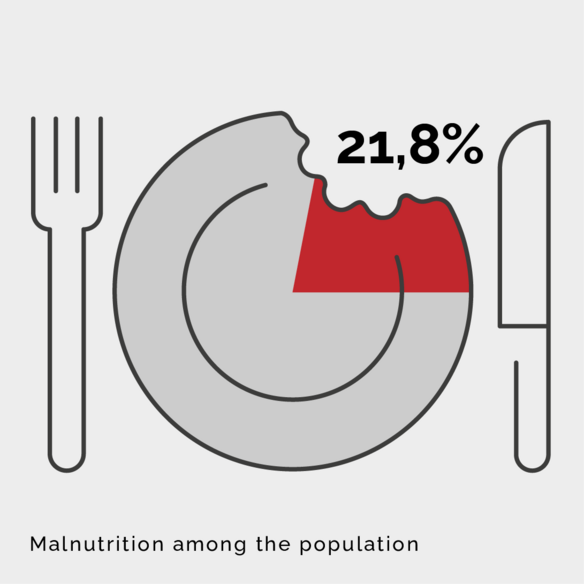
(2025)
If the field doesn't get up early, the city doesn't eat.
Mozambican proverb
This proverb impressively shows how closely life in Mozambique is linked to agriculture. More than half of the population lives and works in the countryside. By working hard and getting up early, they not only secure their own livelihood, but also supply the cities. However, climate change is threatening this livelihood: droughts, floods and unpredictable weather patterns are increasingly causing crop failures, hunger and hardship.
Mozambique in pictures
-
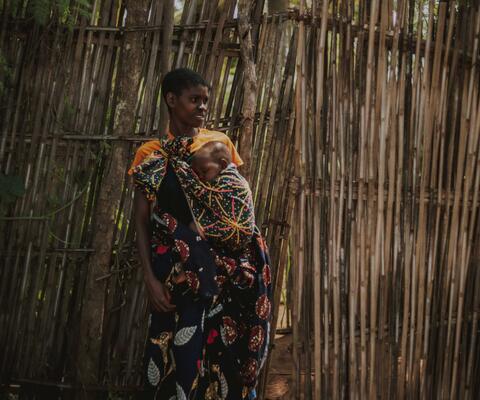
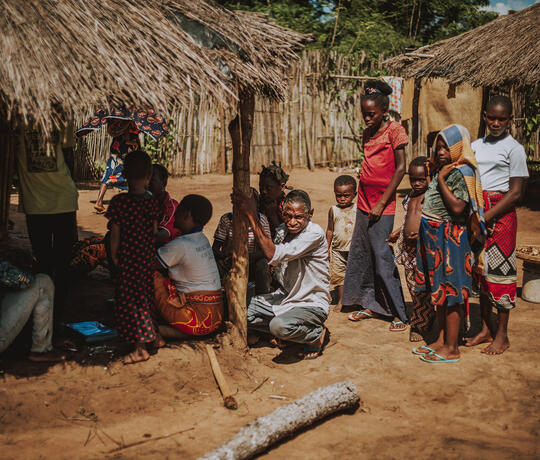
In the north, families are fleeing from attacks by Islamist groups - almost a million people are on the run within the country. Ana and her family have also been displaced from their home and are seeking refuge elsewhere.
-
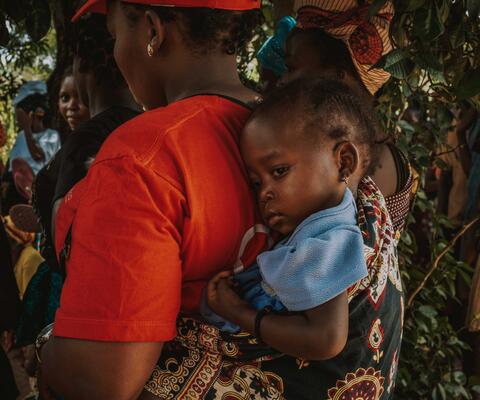
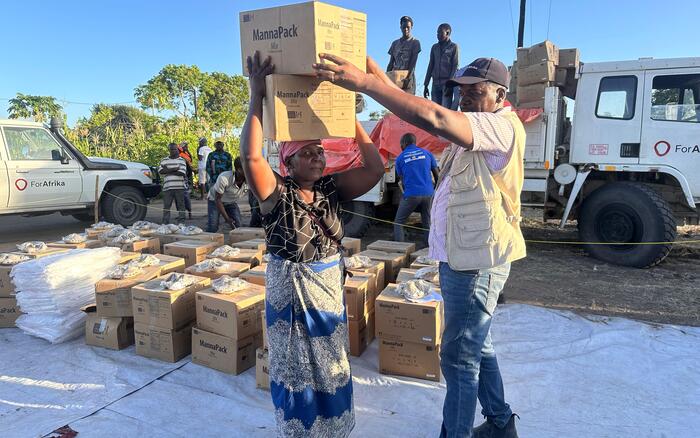
Many children are malnourished. humedica supports families with food parcels.
-
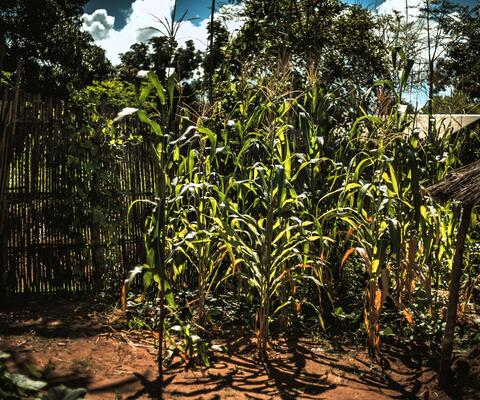
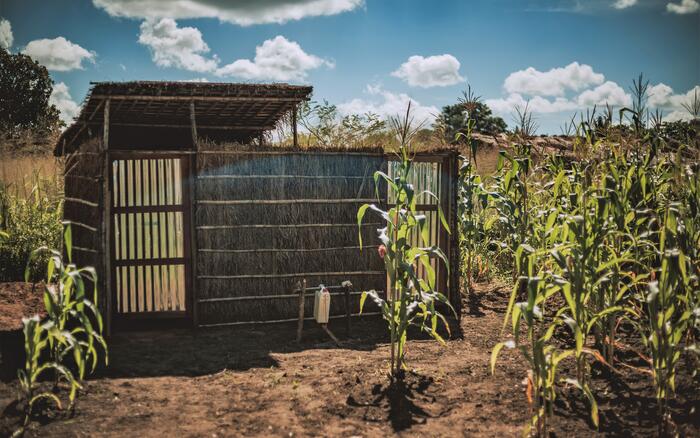
Farming is the basis of life for many people: maize, beans, millet and cassava ensure their daily survival. Matapa, a popular dish in Mozambique, is made from cassava leaves.
-
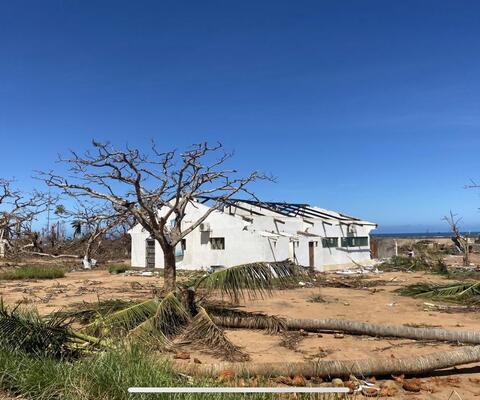
Cyclones regularly devastate entire regions - with devastating consequences for people and infrastructure.
-
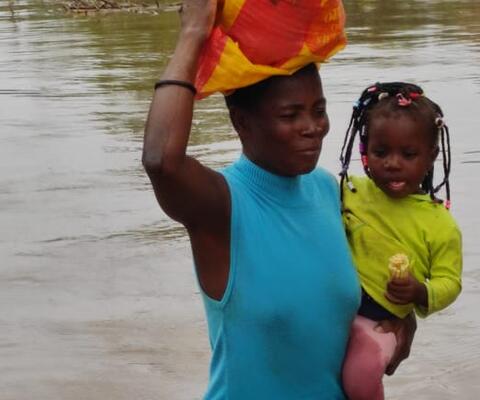
Hundreds of thousands are losing their homes due to the increasingly severe natural disasters.
-
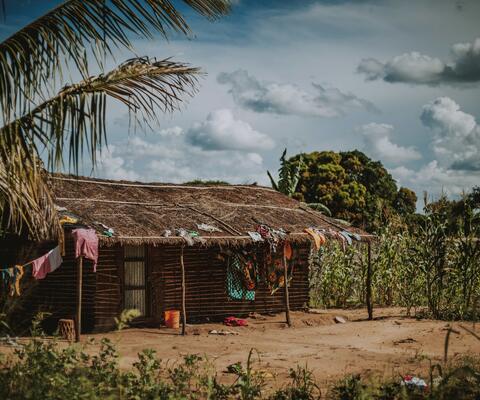
Over 60% of the population lives in rural areas - often without access to clean drinking water, electricity or medical care.
-
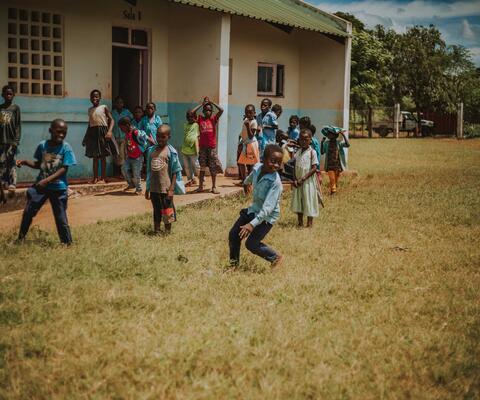
Although school attendance is compulsory and free of charge in the early years in Mozambique, additional costs are often a problem: books, uniforms and other materials are unaffordable for many families - with the result that many children drop out of school prematurely.
Population, country and living conditions
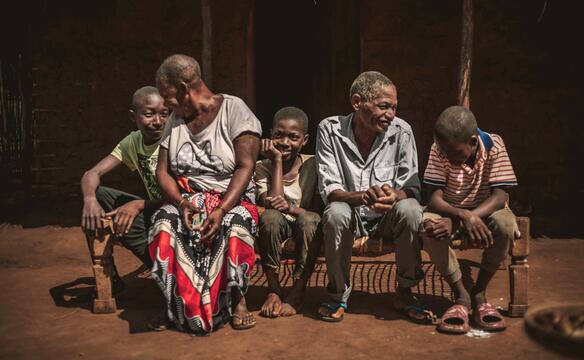
Cultural diversity and language
Mozambique is home to around 80 ethnic groups with diverse cultures and languages. The official language is Portuguese, but indigenous Bantu languages dominate everyday life.
Mozambique only became independent in 1975 after around 500 years of colonial rule - the after-effects can still be felt today.
Natural disasters are on the rise
Tropical storms, floods and droughts regularly hit the country - with increasing intensity. Many families lose their homes and livelihoods as a result - and have little chance of a fresh start.
In recent years, the coastal state has been repeatedly affected by severe cyclones.
Humanitarian situation in Mozambique
Food crisis and poverty
Smallholder families are dependent on the rain. If there is no rain, the harvests fail. This has both financial and health consequences for the people:
- Over half of them live below the poverty line - on less than 1.86 euros a day.
- 80% of the population cannot afford a healthy, balanced diet.
- Young children are particularly often affected by malnutrition.
Social inequalities exacerbate the situation: hunger and poverty are particularly widespread in the north.
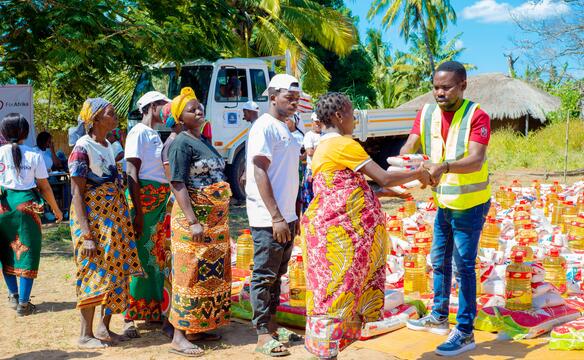
In Mozambique, humedica distributes food to families.
Armed conflicts and displacement
A violent conflict is raging in the province of Cabo Delgado in the north of the country, forcing almost a million people to flee their homes. Those affected are seeking refuge in other regions, putting additional strain on the already strained infrastructure.
Health and medical care
The medical infrastructure is particularly weak in rural areas. There is only one doctor for every 10,000 people (in comparison: in Germany there are 44 doctors for every 10,000 inhabitants). Many people cannot afford to see a doctor or buy medication anyway.
At the same time, diseases spread easily - due to contaminated water and a lack of sanitary facilities. In many regions, people in Mozambique have no secure access to clean drinking water.
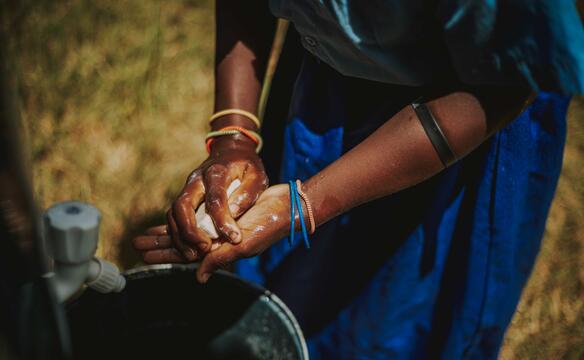
humedica sets up hand-washing stations at schools, for example. Pupils learn through play how important proper hygiene is.
More about Mozambique and humedica
humedica supports people in Mozambique with targeted aid - from food security to the supply of clean water. Find out more about our aid on the ground.