Country information: Afghanistan
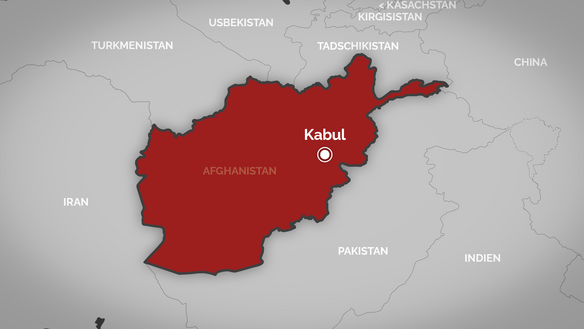
- Capital: Kabul
- Official languages: Pashto and Dari
- State religion: Islam
- Population: 41.1 million
Afghanistan: Facts and figures on the humanitarian situation
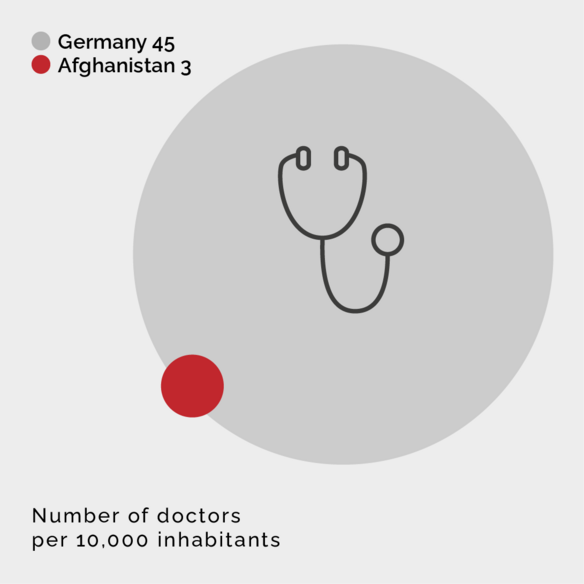
(2023)
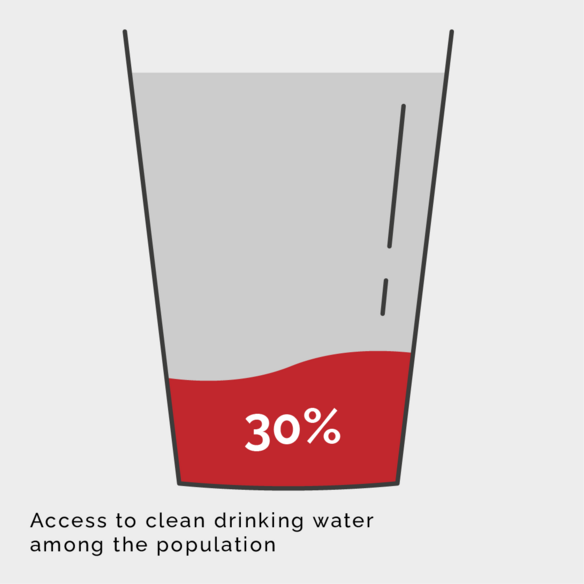
(2025)
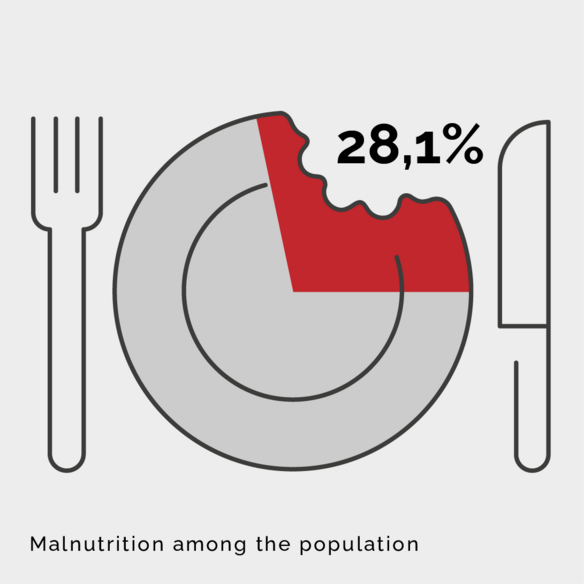
(2025)
"Even if a mountain is very high, there is a way up"
Afghan proverb
translated analogously: "Where there is a will, there is a way"
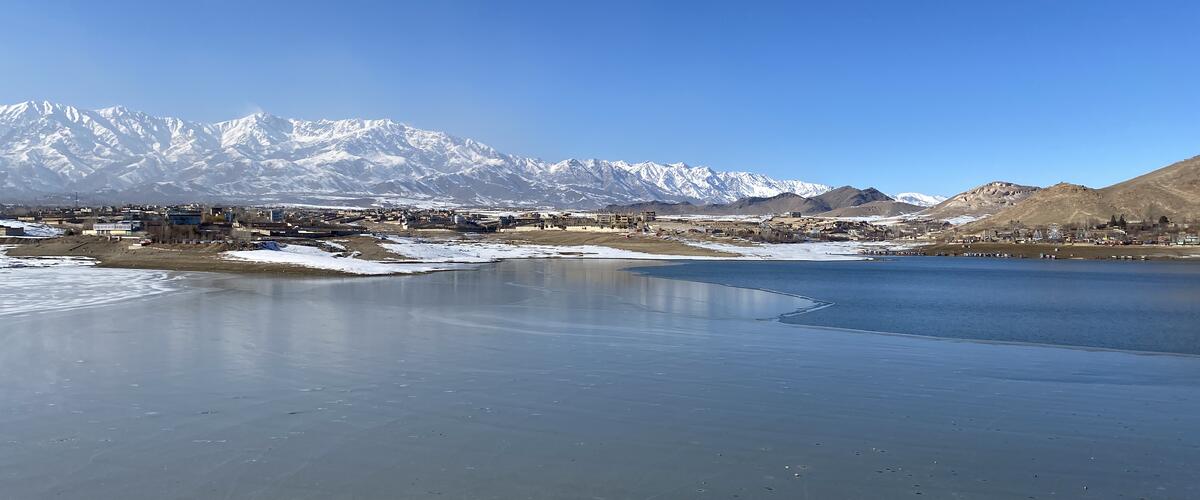
It is no wonder that the hopeful proverb from Afghanistan is about the mountains, as 90% of the country is higher than 600 meters above sea level. Snow-capped mountains characterize the landscape in the north, subtropical areas in the south. 30% of the plant species found here can only be found in Afghanistan - and yet the country is clearly not a typical tourist destination.
Afghanistan in pictures
-
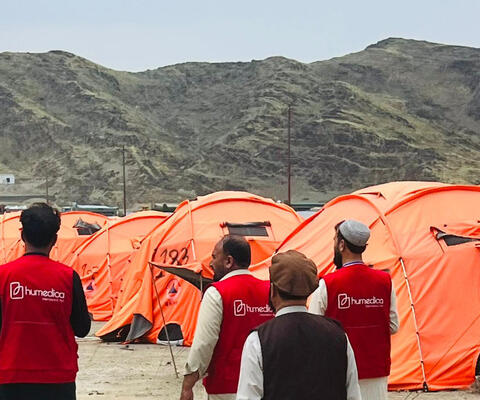
The proportion of internal migrants is increasing due to environmental disasters, poverty, crises and refugee returns.
-
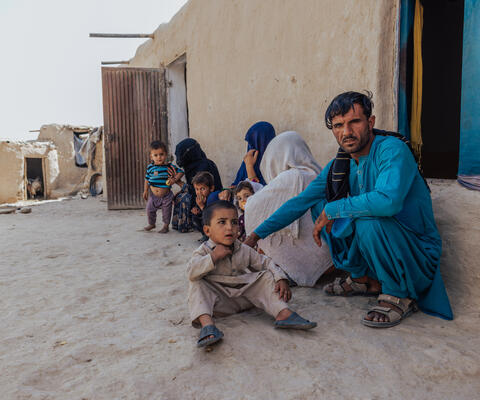
Many heads of family have to decide what they can afford from their low income: Food or necessary medical treatment.
-
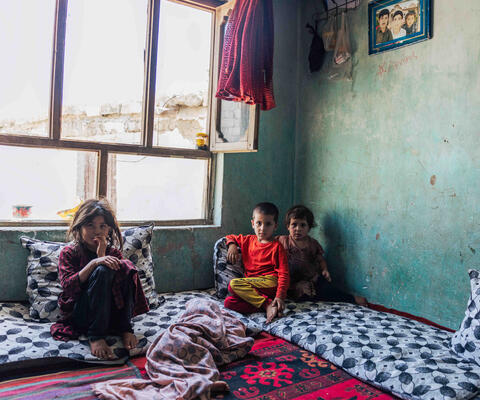
Children suffer particularly from the unstable situation in Afghanistan. Many are malnourished, have no access to clean drinking water and cannot receive medical care - not to mention prospects for the future.
-
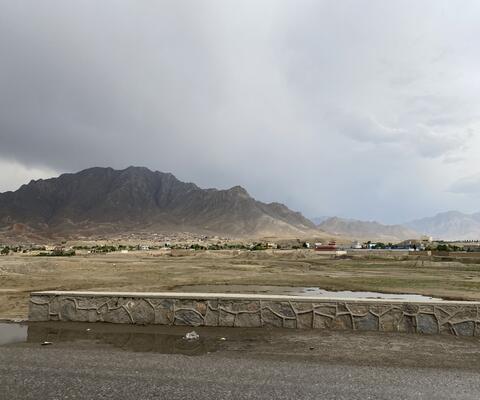
Bare landscapes and little infrastructure make life difficult for many people. Many move to the larger cities, especially the capital Kabul.
-
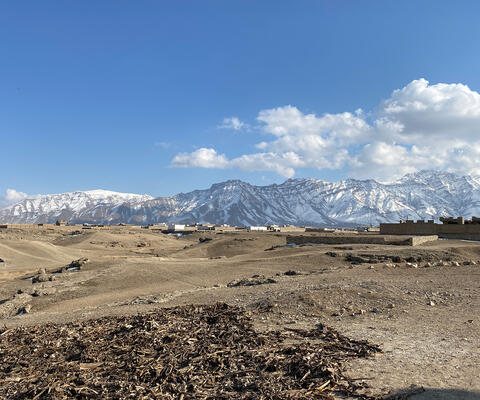
Afghanistan's landscapes are characterized by three main mountain ranges: the Hindu Kush, the Baba Mountains and the Safed-Koh Mountains.
Population, land and living conditions
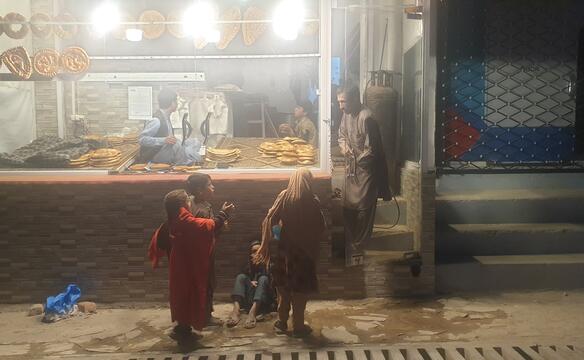
Children look at the displays in a bakery. Many families can barely afford food. The number of children begging on the streets is constantly increasing.
Linguistic diversity and two official languages
Afghanistan is home to people from different ethnic groups. The linguistic diversity that the people bring with them can be seen regionally. The official languages are Persian ("Dari") and Pashto, the language of the largest ethnic group.
Women without rights
Women's rights have been changing time and again for many years. While women were granted the right to vote and stand for election in 1964, many women today hardly dare to go out in public without a male companion. Girls from the age of 13 are now prohibited from attending school and women are excluded from higher education.
The Taliban have been in power since 2021
Afghanistan with its mountains is particularly known as a retreat for the Taliban. They have ruled the country since 2021. If the humanitarian situation in the mountainous country was already critical beforehand, the situation is getting visibly worse.
Humanitarian situation in Afghanistan
Rising prices and malnutrition
Afghanistan repeatedly took first place on the Global Terror Index in 2023. The country is considered one of the most fragile states in the world. What does this mean for the population? Human rights are of little importance, security is equally low and poverty is on the rise. As the value of the country's own currency, the Afghani, falls, fewer and fewer people can afford the basic necessities to survive; food has become unaffordable for many as prices skyrocket. Every 3rd person suffers from malnutrition. Around 45% of all children suffer from stunted growth as a result of malnutrition.
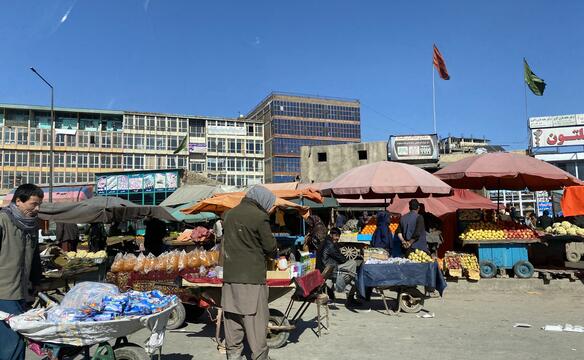
Fruit and vegetables are sold at the market. Many people cannot afford the goods.
Health risk: Contaminated water
In addition, around 70% of people have no access to clean drinking water (as of 2022). As a result, kidney damage and diarrheal diseases are on the rise. Many people have to walk miles to get clean drinking water for their families.
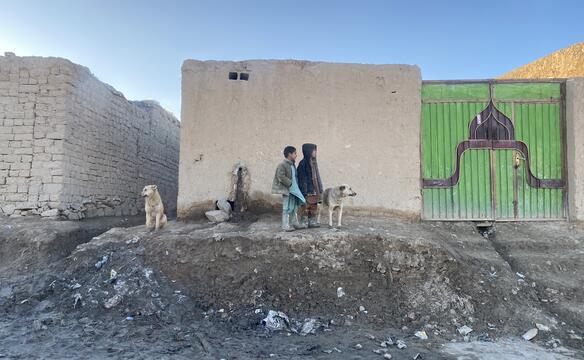
Medical infrastructure and regional characteristics
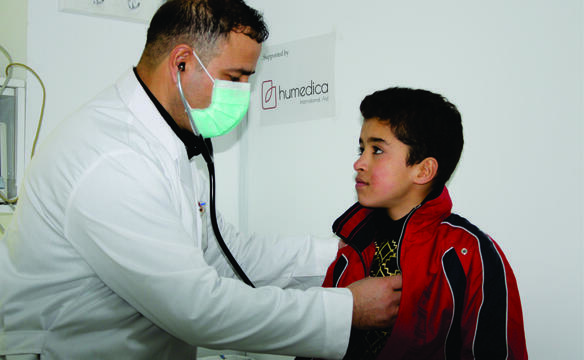
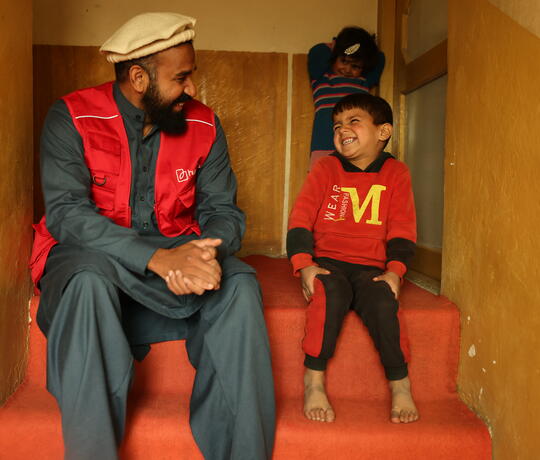
Many people cannot afford medical treatment. This is where humedica's help comes in.
While people's everyday lives are generally characterized by great difficulties, earthquakes and landslides occur time and again, claiming hundreds of victims. People lose their livelihoods and the infrastructure that barely exists is completely destroyed. There is a lack of everything in the medical sector: there are a total of 3 doctors for every 10,000 inhabitants (in comparison: in Germany there are 44 doctors for every 10,000 inhabitants), and in rural areas people are usually completely on their own. And those who make it to a hospital often cannot afford treatment. Most people have to make a choice: Medical treatment or food.
More about Afghanistan and humedica
humedica has been active in Afghanistan since 2021 and is particularly committed to providing healthcare to those who cannot afford treatment. Read more about our aid and get interesting background information on how humedica works under difficult conditions.