

Current Situation in Nepal
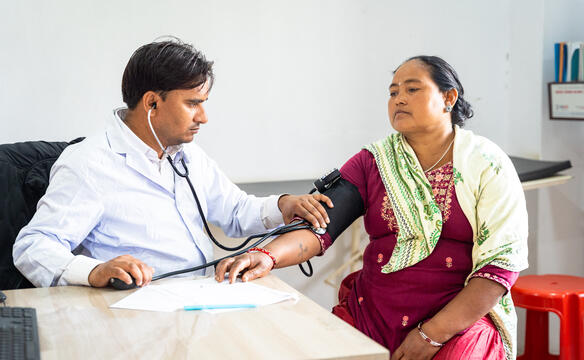
Nepal is regularly affected by earthquakes, floods, and landslides. Climate change further exacerbates some of these risks. Many people in Nepal’s rural regions have limited access to medical care. Remote communities are often accessible only on foot, and health facilities have limited human and material resources. When natural disasters strike, the situation worsens further: roads can become impassable, health facilities can be damaged, and providing medical assistance can become more difficult.
Preparedness for such emergencies is also inadequate in many places. There is a lack of equipment, regular drills, and clear procedures for disaster response.
The earthquake in November 2023 recently demonstrated just how vulnerable the region is: in West Rukum alone, 31 health facilities were damaged. Many of them have still not been fully repaired.

How does humedica help?
Together with its local partner HDCS, humedica is strengthening hospitals, public health facilities, and communities in the West Rukum and Lamjung districts so that they can respond more quickly and effectively in the event of a disaster.
Here's how you can help:
For €17, a patient can receive treatment at a temporary health clinic in the event of a disaster
With 300 €, an ambulance driver can be paid for one month
With €1,200, a first-aid mannequin can be purchased to train the public in first-aid techniques