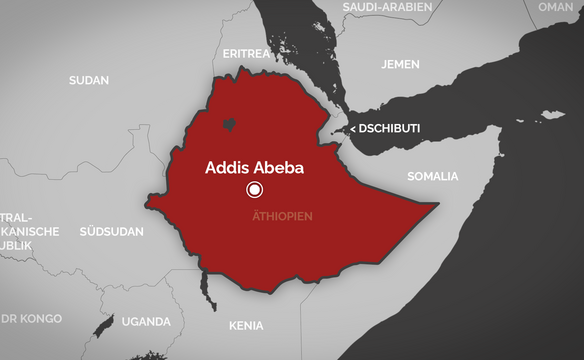
Country information: Ethiopia
- Capital: Addis Ababa
- Official language: Amharic
- Population: 132.1 million
- Currency: Birr
Ethiopia: Facts and figures on the humanitarian situation
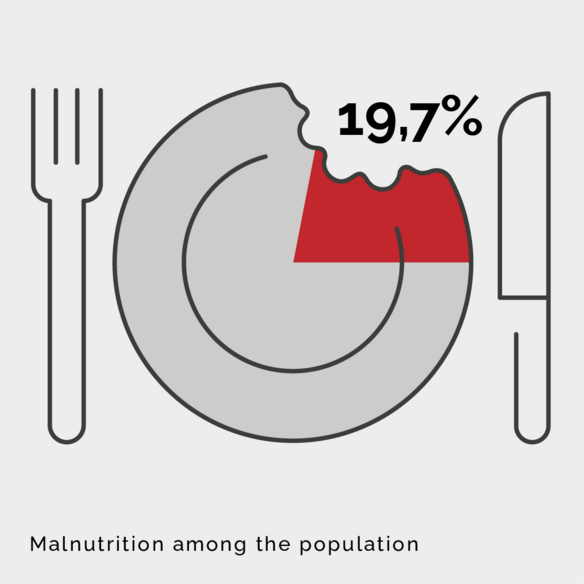
(2025)
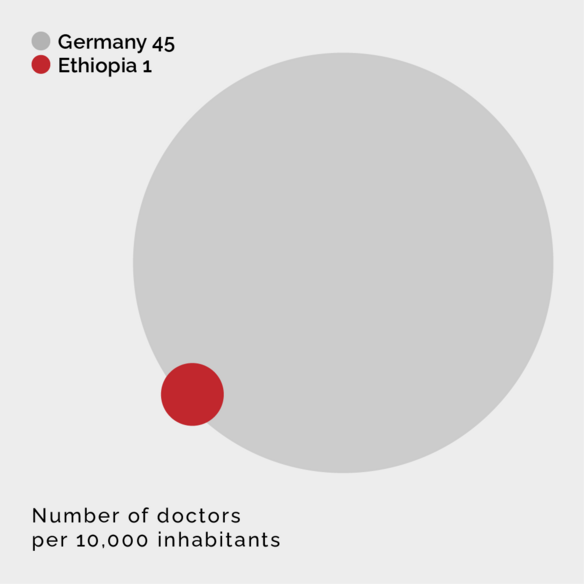
(Ethiopia 2023, Germany 2022)
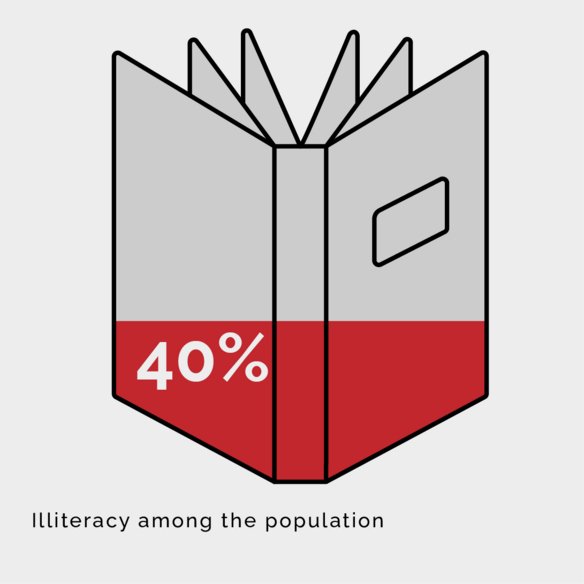
(2022)
The cow knows the one who milks it, but not the one who owns it.
Ethiopian proverb
The proverb aptly describes the reality of life for many people in Ethiopia: They work hard on the land they live off - and yet external circumstances often determine their fate. While the population belongs to more than 90 different ethnic groups, the majority work in small-scale agriculture. However, the once fertile land is increasingly suffering from the consequences of climate change. Periods of drought are recurring at ever shorter intervals, while other regions are threatened by flooding.
Ethiopia in pictures
-
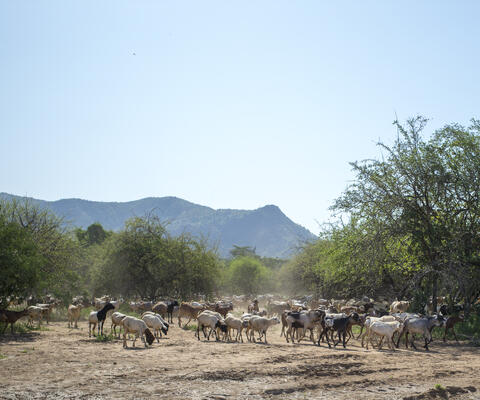
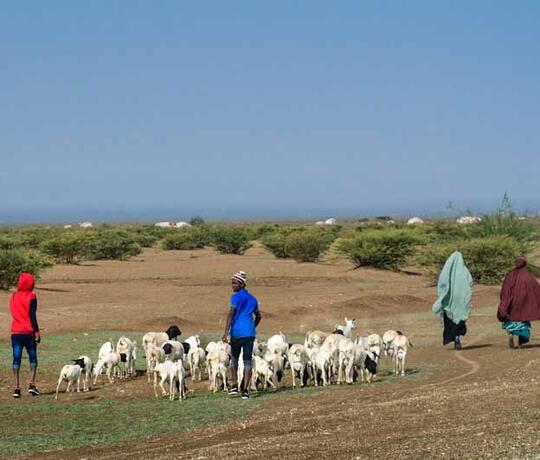
Ziegen sind Grundlage vieler Hirtenvölker in Äthiopien. Aufgrund von Dürren fürchten viele Menschen immer wieder um das Wohl ihrer Ziegen und damit auch ihrer Familien.
-
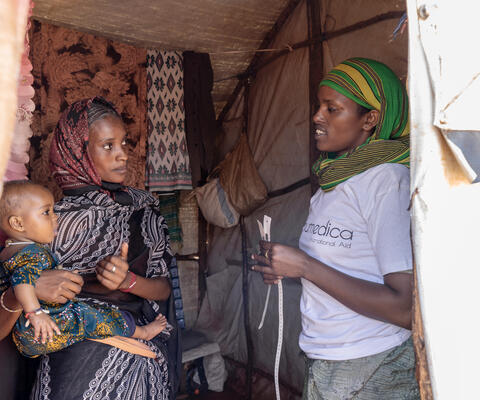
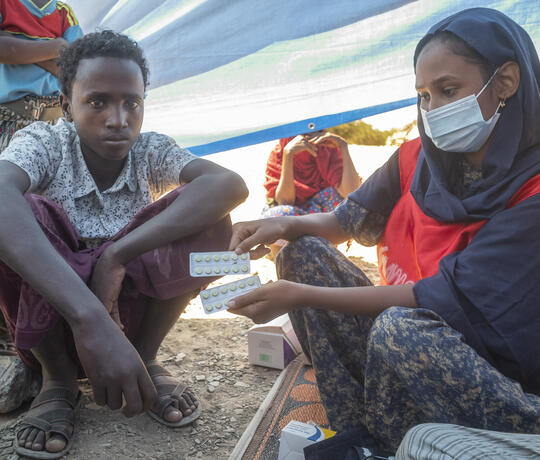
Aufklärungsarbeit zu Kindergesundheit, Hygiene und dem Vorbeugen von Krankheiten sind ein wichtiger Bestandteil humedicas Hilfe. Nur so können Mütter bestmöglich für das Wohl ihrer Kinder sorgen.
-
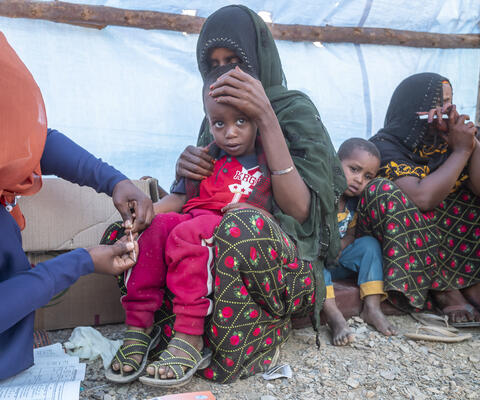
Auf der Flucht, ohne medizinische Versorgung und der Unsicherheit, ob es genug Nahrungsmittel geben wird – das ist die Realität vieler Menschen, die innerhalb Äthiopien aufgrund von bewaffneten Konflikten fliehen müssen.
-
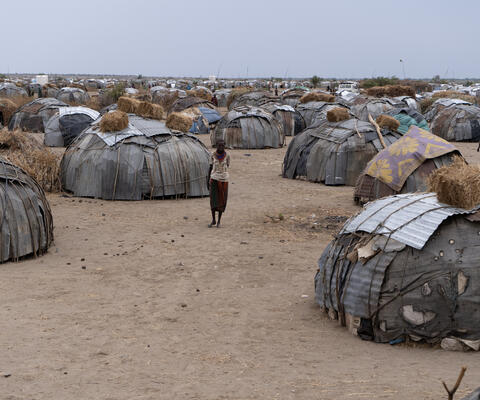
Bewaffnete Konflikte innerhalb Äthiopiens zwingen tausende Menschen ihre Heimat zu verlassen. Derzeit wird davon ausgegangen, dass ca. 4,4 Mio. Menschen innerhalb Äthiopiens vertrieben wurden.
-
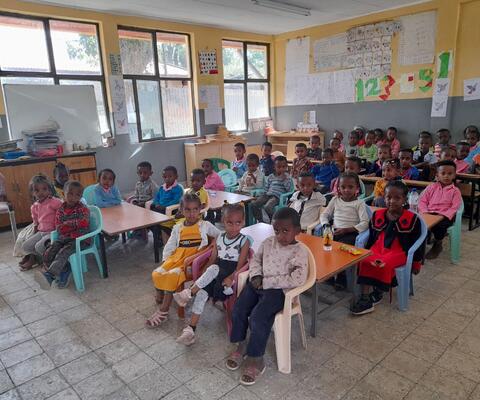
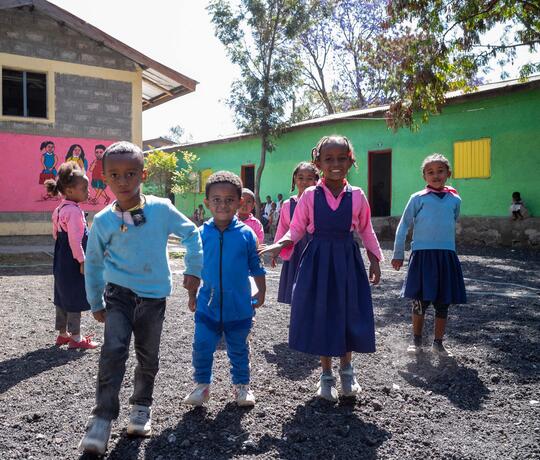
Um der Armutsspirale zu entkommen, braucht es Bildung. humedica setzt sich in Kindergärten und Schulen dafür ein, dass Kindern neue Perspektiven durch Bildung eröffnet werden.
-
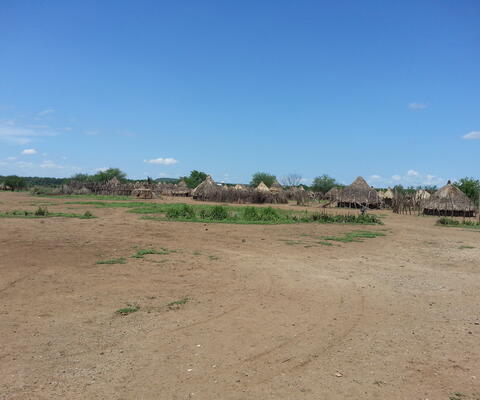
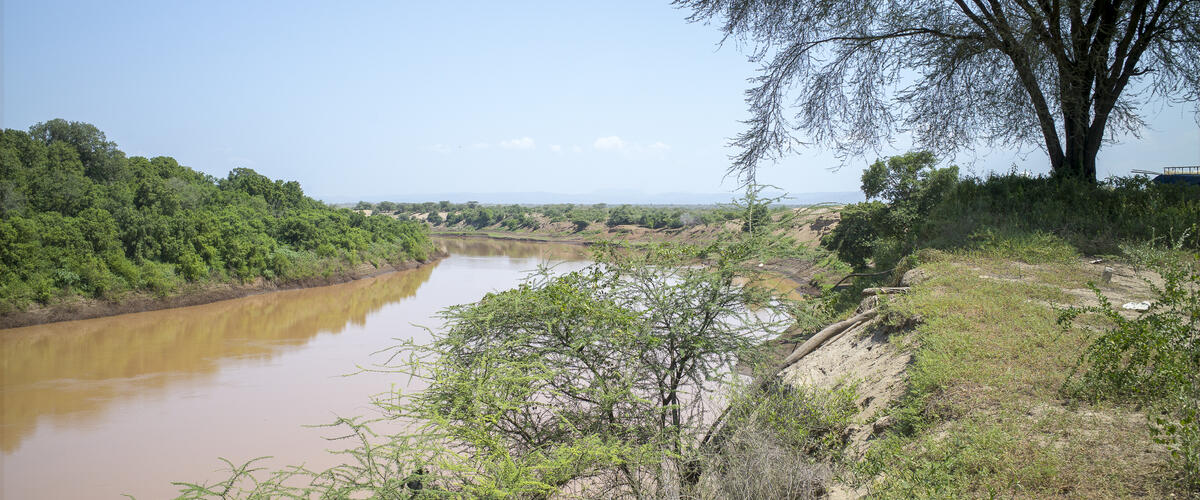
Weit entfernt von den größeren Städten und medizinischer Infrastruktur liegt das Süd-Omo-Tal. Hier wohnen unter anderem die Kara in ihren traditionellen Häusern.
-
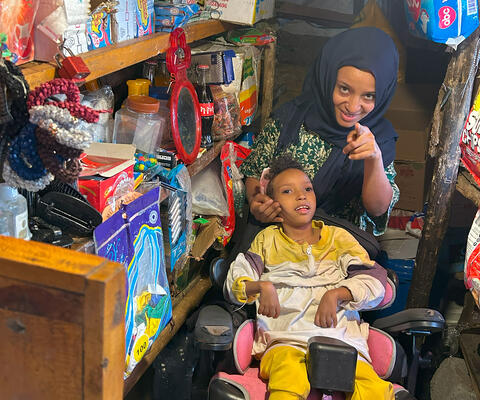
Kinder, die auf zusätzliche Hilfe sowie Hilfsmittel angewiesen sind, haben es in Äthiopien besonders schwer. Häufig übernehmen Mütter die Care-Arbeit, können sich dann aber nicht mehr um das Einkommen der Familie kümmern. Mit Unterstützung, die sich an den individuellen Bedürfnissen der Kinder und deren Familien orientiert, erleichtert humedica den Familien das Leben.
-
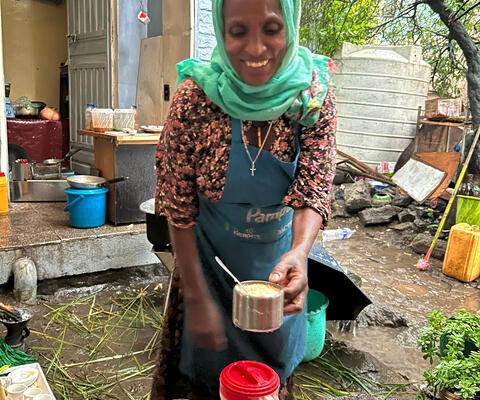
Viele Frauen müssen in Äthiopien alleine für ihre Familien sorgen. Schulungen und Geschäftsideen wie die Gründung eines kleinen Kiosk sind für viele Frauen und deren Familie eine einzigartige Chance, ein geregeltes Einkommen zu erwirtschaften.
-
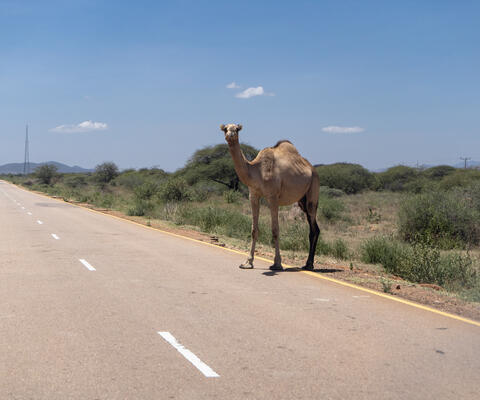
Äthiopien beheimatet eine Vielzahl wilder Tiere. Mehrere Nationalparks sollen die Tiere schützen. Viele Arten kommen nur in Äthiopien vor wie zum Beispiel die Riesenmaulwurfsratte und der äthiopische Wolf.
Population, country and living conditions
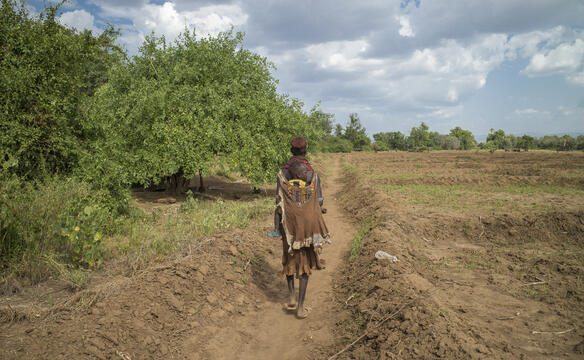
One of the ethnic groups are the Kara in the South Omo Valley. In the event of illness, the inhabitants have to travel long distances for medical care as they live far away from medical infrastructure.
Linguistic diversity and an official language
While Amharic is the official national language, only around 27% of the population belong to this ethnic group. Around 90 different ethnic groups live in Ethiopia.
Klima und Dürren
Ethiopia, which actually has a colorful flora and fauna to offer with different, mainly tropical climate zones, is increasingly becoming the scene of droughts: if droughts used to occur every 25-30 years, the period has now shortened enormously. Farmers have to reckon with too little rain every 4 to 5 years. In addition, there are floods due to deforestation and clearing of large areas. While these were necessary for the food security of the growing state, they are now destabilizing the ecosystem - and the rural population is still growing - on average, a woman in Ethiopia gives birth to 4 children (as of 2020).
Humanitarian situation in Ethopia
Child malnutrition
Droughts and armed conflicts have caused food prices to rise in recent years. Many families can barely make ends meet. Children are particularly affected by hunger: Around 38% of all children under the age of five suffer from stunted growth due to malnutrition - with foreseeable consequences that many will have to struggle with for the rest of their lives.
The fact that only around a third of the population has access to clean drinking water exacerbates the situation. Diseases spread rapidly through contaminated water and further weaken children and adults.
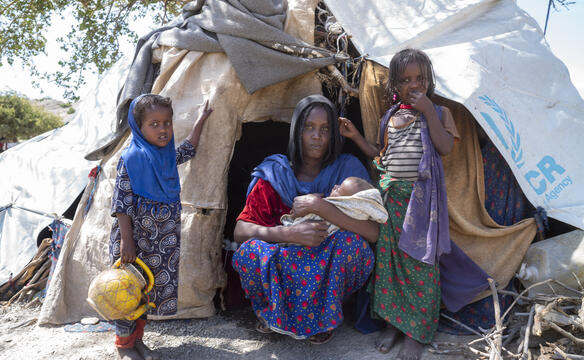
Many refugees have had to leave their homes. They live in makeshift accommodation such as tents and are dependent on humanitarian aid.
Internal conflicts and displaced persons
Armed conflicts like the one in the Tigray region are forcing more and more people to flee within Ethiopia. This is not the first time that the Tigray region has rebelled against the Ethiopian government in 2020. The postponement of the elections due to the coronavirus is inadmissible, it was said. Although the conflict in Tigray has officially ended, many areas are still inaccessible. People have lost their homes and violent conflicts continue: In Amhara and Oromia, local groups are rebelling against the government. People from different ethnic groups fear state violence, depending on the affiliation of the respective president. Around 4.4 million people have been displaced in their own country - a group that is particularly affected by hunger and experiences violence. In addition, people from neighboring countries such as Somalia are seeking refuge in Ethiopia.
Health and medicine
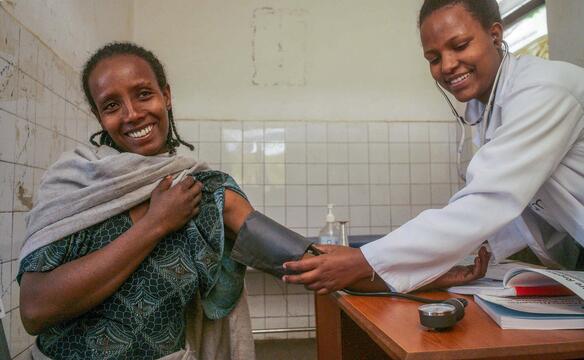
Many people can barely afford to see a doctor. Quite apart from this, the journey to the nearest infirmary is too far for many in the event of illness.
Malnutrition, diseases caused by contaminated drinking water, experiences of violence and much more make medical treatment indispensable. There is a lack of resources here: there is one doctor for every 10,000 inhabitants (in Germany there are 44 doctors for every 10,000 inhabitants). Especially in remote areas and regions affected by armed conflicts, people are in urgent need of help. The lack of medical assistance is also reflected in the high infant mortality rate: 36 out of every 1,000 babies die before their first birthday. The health situation is also risky for many women who have to give birth without medical assistance.
More about Ethiopia and humedica
Humedica has been helping people in Ethiopia since 2010. With its country office in the capital Addis Ababa, humedica is networked so that humedica can help people in different regions and in different emergencies. Find out more about humedica's projects in Ethiopia here.