
Country Information Nepal
- Capital: Kathmandu
- Official language: Nepali
- Population: 31 million (2025)
- Currency: Nepalese rupee
Nepal: Facts and Figures on the Humanitarian Situation

(2023)

(2025)

(Nepal 2023, Germany 2022)
Dal Bhat Power 24 Hours!
Idiom from Nepal
This saying is widely used in Nepal and refers to one of the country’s most important dishes: dal bhat. It consists mainly of rice (bhat) and lentils (dal) and is often served with vegetables or curry. The combination of carbohydrates and protein provides energy for the day and is especially popular on long workdays — or hikes .
Nepal in Pictures
-

Dal Bhat, consisting of rice, lentils, and vegetables, is a staple of daily life for Nepalese people.
-
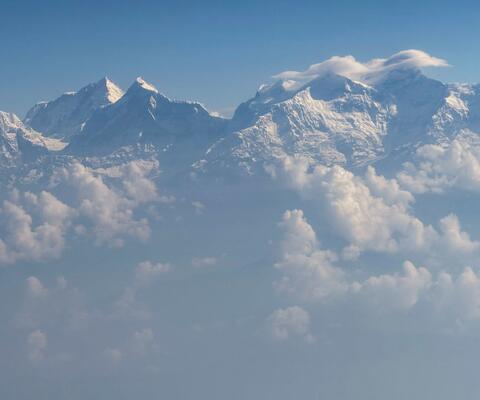
Nepal is a particular favorite among hikers thanks to the majestic peaks of the Himalayas. Seven of the world's ten highest mountains are located in Nepal, including Mount Everest.
-
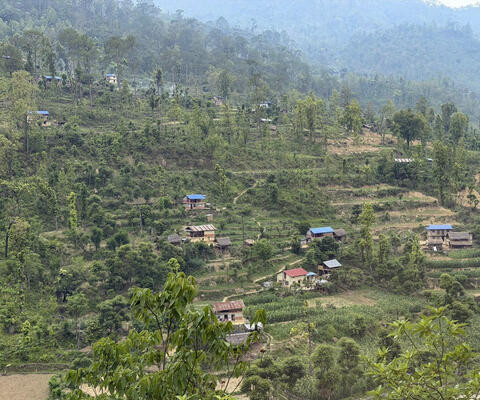
From north to south, the landscape changes from high mountains to green rolling hills (Pahad)...
-
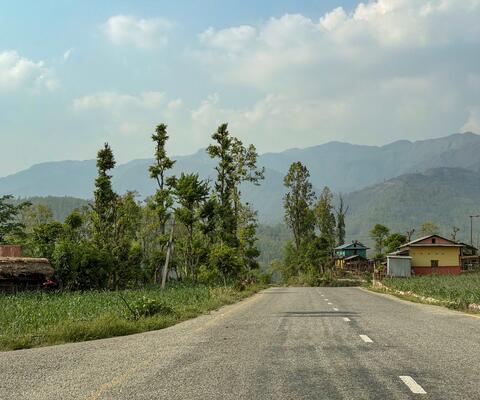
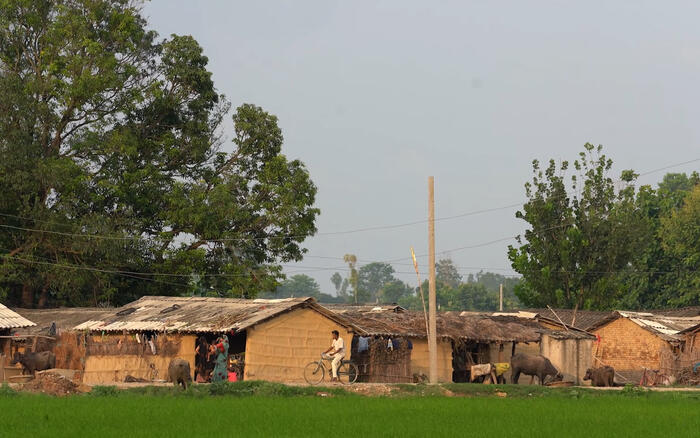
...all the way to the flat and fertile lowlands (Terai).
-
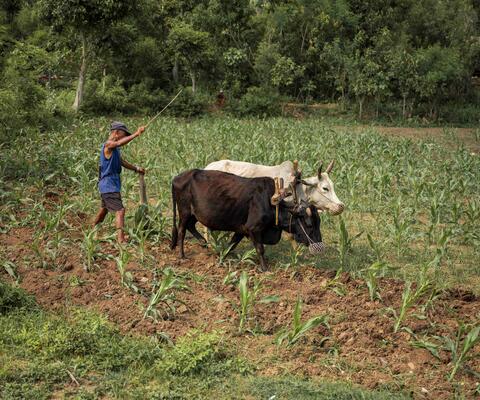
Especially in rural areas, agriculture is a vital source of livelihood for many families.
-
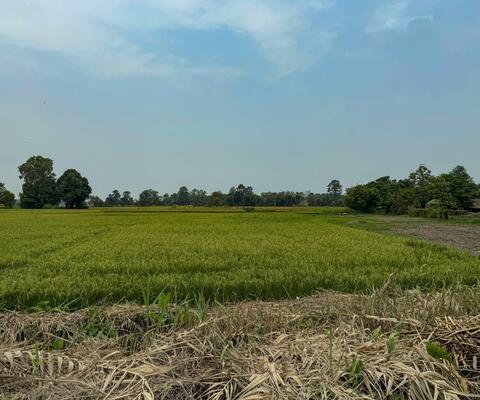
For example, rice is grown here.
-
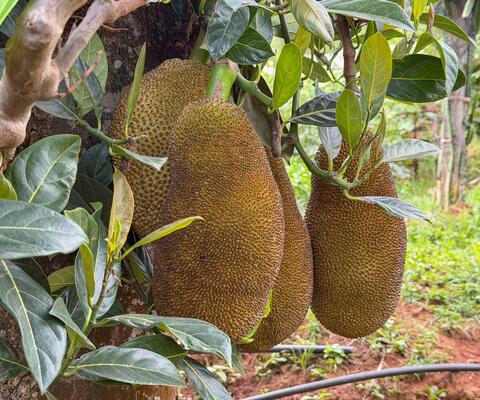
Exotic fruits and vegetables also grow in Nepal, such as jackfruit.
-
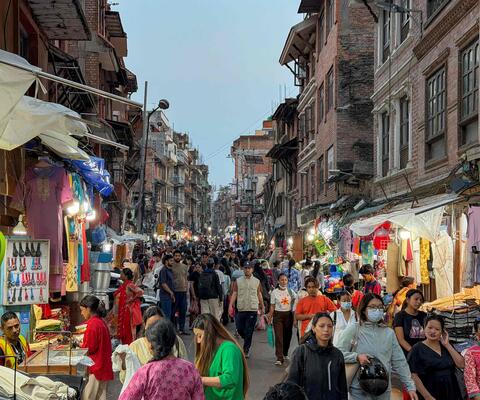
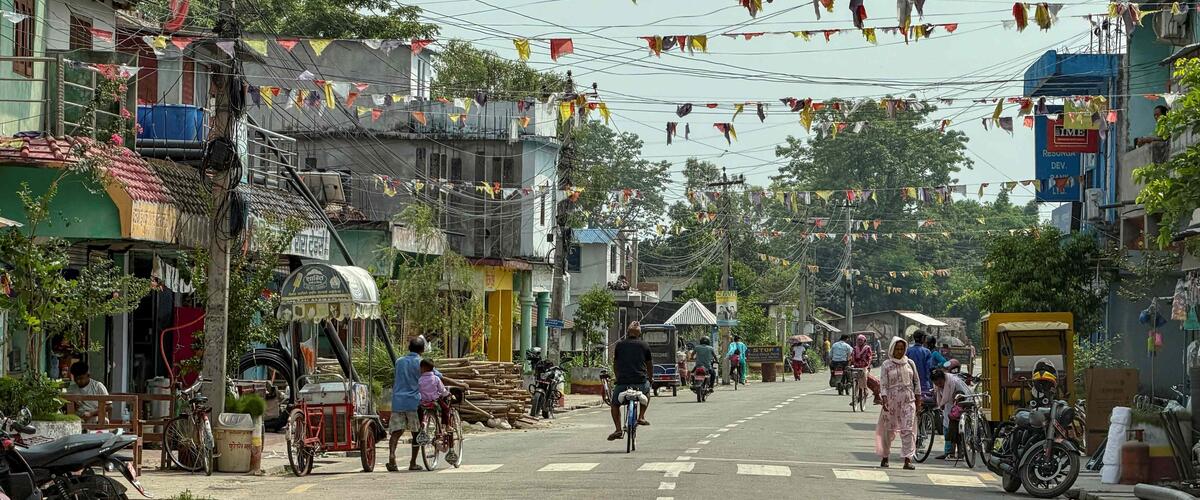
Kathmandu, the capital of Nepal, is a bustling and dynamic city.
-
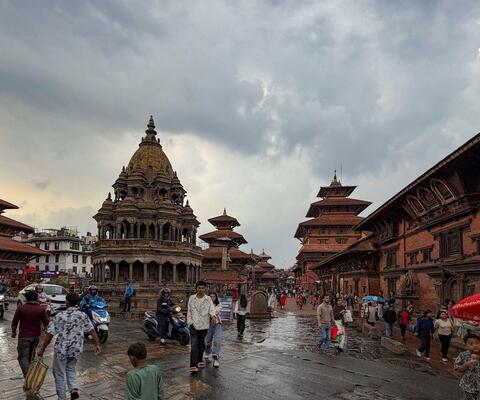
Durbar Square in the historic center of Kathmandu is a special attraction featuring many temples and pagodas.
Population, Country and Living Conditions
Nepalese Calendar
In Nepal, time moves differently: In addition to the Gregorian calendar, the Vikram Sambat calendar is used. It is about 56 years and 8 months ahead of the Gregorian calendar and is based on a traditional Hindu calendar system. The calendar is used, among other places, in the public sector and in the press. According to the Nepalese calendar, the new year begins in mid-April.
Ethnic Diversity in Nepal
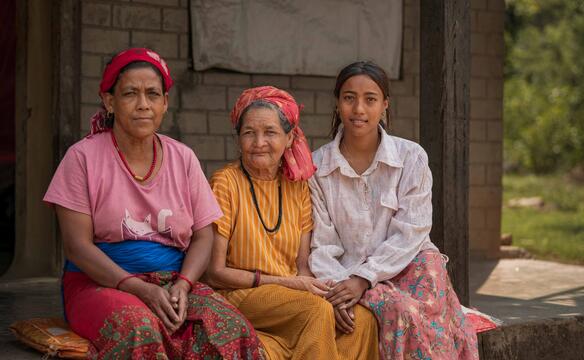
Nepal is a culturally and ethnically diverse country. More than 100 different ethnic groups live there. They differ in their languages, traditions, and ways of life. The Sherpa are particularly well-known internationally; their name is often associated with mountaineering and expeditions in the Himalayas. However, this image is too narrow: The Sherpa are an ethnic group with their own language, culture, and history, and they live primarily in the mountainous regions of eastern Nepal. In addition, numerous other ethnic groups, such as the Tamang, Newar, and Magar, contribute to the country’s cultural diversity.
Humanitarian Situation in Nepal
Frequent Natural Disasters
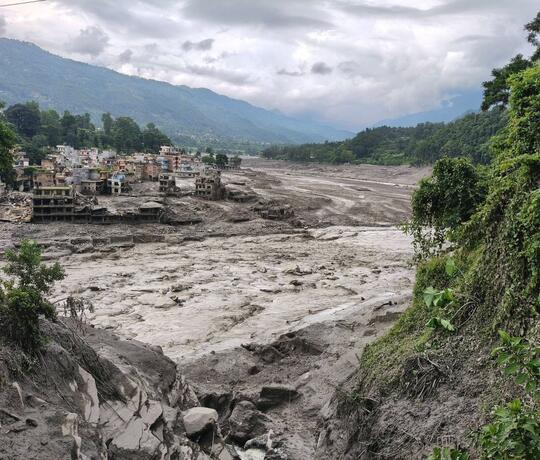
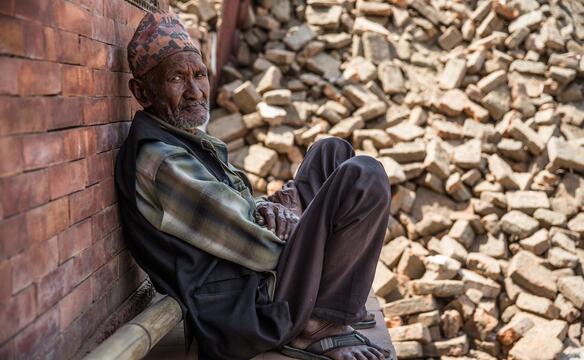
Nepal is repeatedly struck by natural disasters such as earthquakes, floods, and landslides. These disasters destroy homes, threaten people’s livelihoods, and repeatedly claim lives. At the same time, the frequency and intensity of these extreme events are increasing. The consequences are severe: Many people lose their homes or loved ones. These experiences also often leave deep emotional scars.
These disasters exacerbate the already difficult living conditions of many people in Nepal. Poverty and food insecurity characterize the daily lives of numerous families and make it difficult for them to recover from the effects of such events.
Poverty and Social Inequality
Although Nepal has made progress in reducing poverty in recent years, about 20 percent of the population still lives below the national poverty line. There are notable differences between the urban and rural populations.
Health and Medical Care

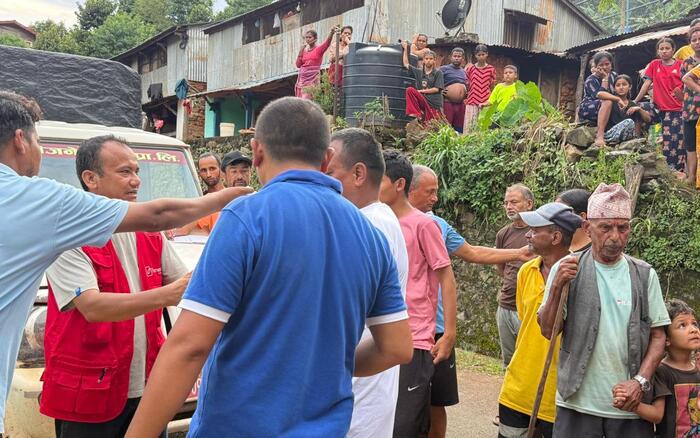
humedica provides medical care to people in Nepal
Nepal’s health care system has continued to develop and improve in recent years. Nevertheless, there are significant regional disparities in health care access. While hospitals and health care services are available in urban areas, access is significantly more limited in remote rural regions. Long distances, difficult travel conditions, and the unique topography make it hard for many people to reach medical facilities. For people in remote mountainous regions and low-income families in particular, necessary treatment can therefore be difficult to access or financially out of reach. Health insurance is also not equally accessible to everyone.
More about Nepal and humedica
Following the earthquakes in 2015 and 2023, humedica provided emergency aid in Nepal. Today, humedica is active in both disaster preparedness and the health sector, particularly in supporting people with leprosy and disabilities. Learn more about our aid efforts in Nepal.